


A new home should give you space to settle in, unpack and enjoy the next stage of your life. Dust inside cupboards, grease around kitchen surfaces and marks left by previous use can make that first day more demanding. Dar Al Mahara provides move-in and move-out cleaning in Qatar, with the work arranged around the condition of your property and the areas you want cleaned.
Whether you are preparing an apartment in Doha, moving your family into a villa or getting an empty property ready for its next occupant, a clear cleaning plan makes the process easier to manage. You can identify your priorities, discuss the required tasks and review the completed work against the agreed list. For English enquiries about cleaning before moving in or after moving out, contact Dar Al Mahara on 70022290.
Contents
5 checks before you confirm the visit
- Confirm the rooms, accessible surfaces and any separate specialist work in writing.
- Empty the cupboards included in the scope and identify belongings that will remain.
- Arrange building access and coordinate the visit with packing, deliveries and contractors.
- Allow time to review the agreed checklist, keeping repairs and existing damage separate.
- Plan drying time before unpacking, replacing rugs or returning the keys.
Move-in and move-out cleaning in Qatar: why plan before moving in?
A property can look tidy during a viewing while still needing attention in places you have not inspected closely. Empty drawers, cupboard shelves, door edges and floor corners may hold dust. In a previously occupied home, the kitchen and bathrooms can have deposits from everyday use. In a newly finished property, installation or maintenance work may have left fine dust on surfaces that initially appeared clean.
Cleaning before furniture arrives makes many of these areas easier to reach. You can prepare storage spaces before putting clothes and kitchenware away, rather than emptying everything again after you have unpacked. It also gives you a chance to inspect the rooms and note any separate maintenance needs while the property is still relatively clear.
Use the empty-home stage to check what will be hidden later. Look behind open doors, along wardrobe bases and at the floor where a bed or sofa will stand. Note any loose fitting, damaged trim or damp patch before boxes cover it. A short record at this stage makes the later move easier to organise and avoids confusing an old mark with a new cleaning concern.

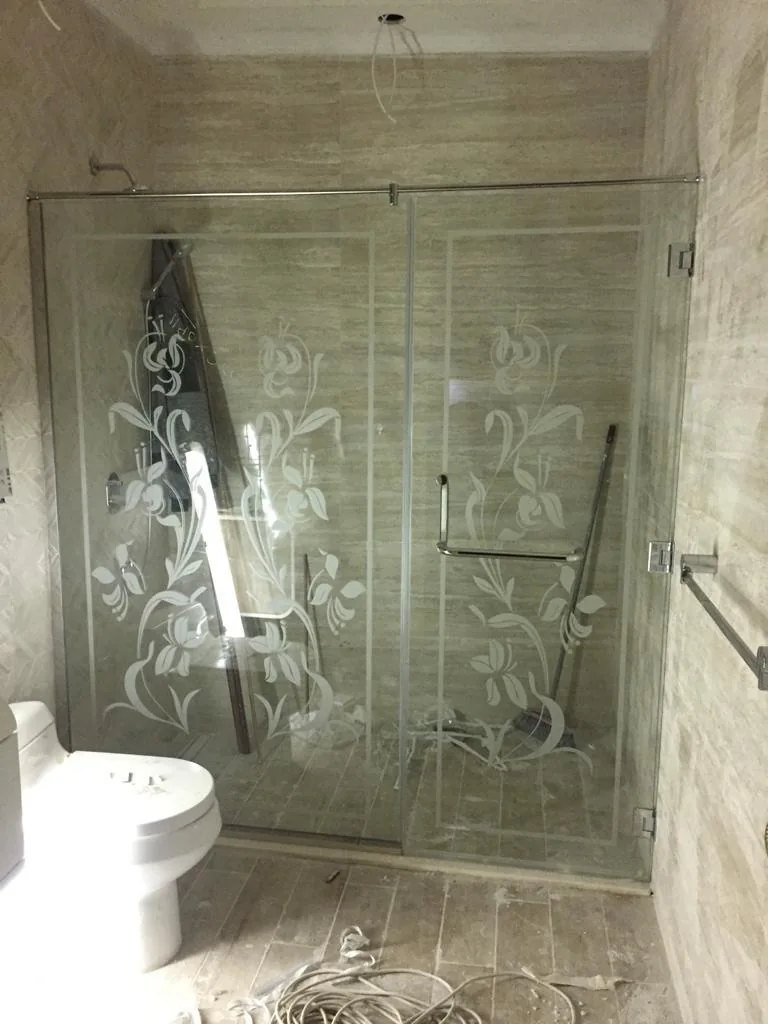
Move-out cleaning before property handover
Once belongings have been removed, parts of the property that were hidden behind furniture or covered by rugs become visible. Dust may remain along room edges, cupboards may need attention, and kitchen or bathroom surfaces may show signs of use. A planned cleaning visit helps prepare these areas for a final walkthrough, a property viewing or the arrival of another occupant.
The service can suit tenants preparing to return keys, owners arranging a new tenancy and property representatives coordinating an empty home. Start with a list of the rooms and surfaces you want included. If the property manager has a cleaning checklist, share the relevant items when discussing the booking so they can be considered in the agreed work.
Schedule the visit after packing and removal work where possible. If furniture or appliances will remain, identify them and explain whether you want them included in the cleaning request. Cleaning is reviewed against the agreed scope; existing damage, repairs and any tenancy deposit arrangements are separate matters. Keeping these points clear helps everyone understand what the visit is intended to achieve.
The difference between move-in and move-out cleaning
Both services benefit from an organised checklist, but the priorities depend on what happens next. Before moving in, you may focus on storage spaces and the rooms your family will use immediately. After moving out, you may work from a handover list and the condition revealed by removing belongings. The comparison below can help you explain your request.
| Planning point | Before moving in | After moving out |
|---|---|---|
| Main purpose | Prepare agreed areas for household use and unpacking | Clean agreed areas before inspection or handover |
| Preferred timing | After dusty work and before furniture delivery where possible | After packing and removal work where possible |
| Typical priorities | Kitchens, bathrooms, storage spaces and accessible floors | Rooms and surfaces listed for the property handover |
| Details to share | Property condition and planned furniture deliveries | Remaining items and relevant inspection requirements |
| Final review | Check the areas prepared for your arrival | Compare completed work with the agreed checklist |
What can the cleaning service include?
The final scope depends on the property, its condition and the tasks agreed for your booking. A practical starting point is to list the rooms, bathrooms, kitchen, cupboards and windows. Add any specific areas you would like assessed. The following checklist can be adapted to an apartment, villa or house:
- Rooms, corridors, floors and accessible corners.
- Suitable surfaces, doors and accessible frames that need dust removal or wiping.
- Kitchen worktops, the sink and cupboard fronts within the agreed scope.
- Empty cupboard and drawer interiors when included in the booking.
- Bathroom fixtures, mirrors, glass and floors listed for cleaning.
- Windows and glass that can be reached safely with the agreed arrangements.
- Stairs, entrances and additional spaces specified for a villa.
- Appliances and furnishings identified for additional or specialist cleaning.
It helps to describe the work rather than relying only on the phrase “full cleaning”. Cleaning a cupboard front is different from cleaning its interior. Washing a floor is different from marble polishing, and an accessible interior window is different from a high external facade. Discussing these distinctions before the visit makes the quotation and your expectations easier to understand.
Bedrooms, living areas and empty cupboards
Storage areas deserve attention before you start unpacking. Empty wardrobes and drawers give access to shelf edges, corners and internal surfaces. Keep the supplier’s instructions for new units nearby. Protective labels, adhesive and unfinished edges require care; pulling or scraping a label aggressively can damage the finish beneath it.
In bedrooms and living areas, priorities include accessible doors, suitable surfaces, floor edges and corners exposed after belongings have been removed. Dar Al Mahara does not provide furniture moving. Arrange any required moving separately before the cleaning visit, and keep the resulting access route clear. Allow cleaned surfaces to dry before storing clothes, placing rugs or bringing boxes into the room.
Inspect a cupboard from the top shelf downwards. Corners, shelf supports and the edges of drawers are easy to miss when only the centre is wiped. Loose dust should be removed before a suitable lightly damp cloth is used on a wipeable finish. Keep water away from exposed board edges, joints and hinges, and dry the surface afterwards. A swollen panel, lifting laminate or musty smell needs its cause checked; repeated wet wiping will not restore damaged board. Leave doors open while shelves dry, then replace clean liners only when the surface beneath is dry.
Keep one clean, dry area for the essentials you will use first: bedding, towels and a small kitchen box. Unpack these after the room has been reviewed. Packing cartons can carry dust on their bases, so place them in a designated unpacking area instead of on freshly cleaned shelves or worktops. This is especially useful when the household is already living in part of the property and cannot empty every room at once.
Kitchen cleaning before use or handover
Review the kitchen in zones: food storage, preparation, cooking and washing. Dust in an empty cupboard, greasy marks near a hob and water deposits around a sink are different problems. Check the worktop material and the finish of cupboard fronts before selecting care. A product that removes grease from one hard surface may be unsuitable for the adjacent painted panel or natural stone.
Discuss worktops, cupboard fronts, the sink, floors and empty cupboard interiors when defining the scope. List appliances individually and state whether you are requesting exterior or interior cleaning. An oven or refrigerator may need preparation before internal cleaning, including the removal of contents and attention to the appliance instructions. Agreeing these details before the visit helps allocate appropriate time.
When reviewing the kitchen, look at the agreed surfaces and accessible edges rather than judging only by the smell of the room. Let storage areas dry before returning food or utensils. If a cupboard has swelling, a fitting is damaged or there is a leak, note it for separate follow-up so that the cleaning request remains clear.
Prepare an appliance only according to its manual. Remove food, loose containers and personal items from any interior included for cleaning. Let an oven cool fully; arrange safe isolation or defrosting only as the manual requires. Avoid removing fixed panels, controls or seals to expose hidden dirt. After cleaning, check removable shelves and the accessible door edges, and follow any specified rinse and drying instructions before food or utensils return.
Bathrooms, mirrors and accessible fittings
Bathroom cleaning may cover sinks, taps, mirrors, accessible glass, suitable surfaces and floors in the booking. Review the basin surround, handles and the lower edges of a shower screen as well as broad visible surfaces. Coated taps and glass can have particular care requirements. Use their supplier’s instructions instead of assuming a strong descaler is suitable for every fitting.
During the final review, check the included fixtures and surfaces as well as the floor. Look at mirror edges, sink surrounds and accessible glass. Give wet floors time to dry before normal use. Problems such as leaking fixtures, broken fittings or poor drainage should be recorded separately when arranging any further work needed to prepare the home.
Look at tile joints separately from the tile faces. Loose dirt can remain in recessed grout even when the surrounding tile looks clean. For routine care, use a product compatible with both the grout and adjacent tile, gentle nylon agitation where appropriate, and remove the dirty liquid before it dries back into the joint. Review the area after rinsing and drying. Powdery, cracked or missing grout and a lifting sealant bead are maintenance observations, rather than reasons to scrub harder. A joint may also have an original darker colour; a clean finish need not be bright white.
Care for floors and windows
Identify the floor in each room rather than choosing one method for the whole property. A villa can combine polished stone in a hall, porcelain in a bathroom and wood or laminate in bedrooms. Removable dirt, a scratch and a dull patch caused by damage need different responses. Routine washing and specialist restoration are separate tasks.
The glass scope should distinguish interior panes, exterior panes and accessible frames and tracks. A large sliding door can involve more glass and track detail than several small windows. Tall windows, external facades and glass above stairs need their access assessed separately. Keep fragile items away from the working area and leave window furniture in its normal position for the access review.
Remove sand and grit before wiping stone floors, because loose particles can scratch a polished finish. The Natural Stone Institute recommends appropriate neutral cleaning and cautions against acidic products on acid-sensitive stone. Keep vinegar, lemon-based cleaners and bathroom descalers away from marble and adjoining stone trims. Blot a fresh spill promptly. A dull etched patch or an old scratch needs assessment separately from surface dirt; adding a stronger cleaner is not a way to restore its shine.
For wood, laminate, vinyl and coated floors, identify the exact finish from the supplier’s instructions before choosing a product or machine. Avoid assuming a method approved for tile is suitable for every floor. Keep moisture controlled at joints and thresholds, and do not assume steam is permitted. During the walkthrough, look for residue near skirting and under door edges, then check that the walking route is dry before moving belongings through it. Protect the prepared floor with clean packing materials chosen for that surface rather than dragging dusty cartons across it.
Review a window in parts: glass, frame, handle, sill and accessible track. Remove loose track debris before damp wiping so it does not become muddy residue. Keep drainage openings clear of debris without pushing tools deep into the frame. Check the glass in daylight from more than one angle after it is dry; streaks can be easier to see then. Tinted, filmed or coated glass needs its supplier’s care instructions, including restrictions on scraping and abrasive pads. Exterior reach should be assessed from a safe working position; leaning out of a window is not a preparation step for the household.
How to organise the visit from enquiry to final review
1. Describe the property and your priorities
Share the property type, location, room count and number of bathrooms. Explain whether you need cleaning before moving in or after moving out. Recent photographs help describe the kitchen, floors and windows. Mention your preferred date, the planned handover and any restrictions on building access, parking or lift use that could affect arrangements.
2. Agree the work and quotation
Discuss the areas to be cleaned, additional tasks and the provision of materials and equipment before confirming the booking. Ask about cupboard interiors, appliances and furnishings if you want them included. Keep the agreed list and quotation together so you have a clear reference for the visit and the final review.
3. Organise the agreed cleaning
The work can be organised around the layout and the accessible areas. Cleaning higher surfaces before finishing floors can help reduce dust falling onto completed areas. In a furnished property, the plan also needs to account for available space. If you request an extra task during the visit, discuss its effect on time and cost before proceeding.
4. Walk through the completed areas
Review the included rooms, kitchen, bathrooms and other spaces with the person responsible for accepting the work. Explain any concern specifically, such as a particular cupboard shelf or window. A room-by-room review helps keep the discussion practical and makes it easier to compare the result with the scope agreed for the booking.

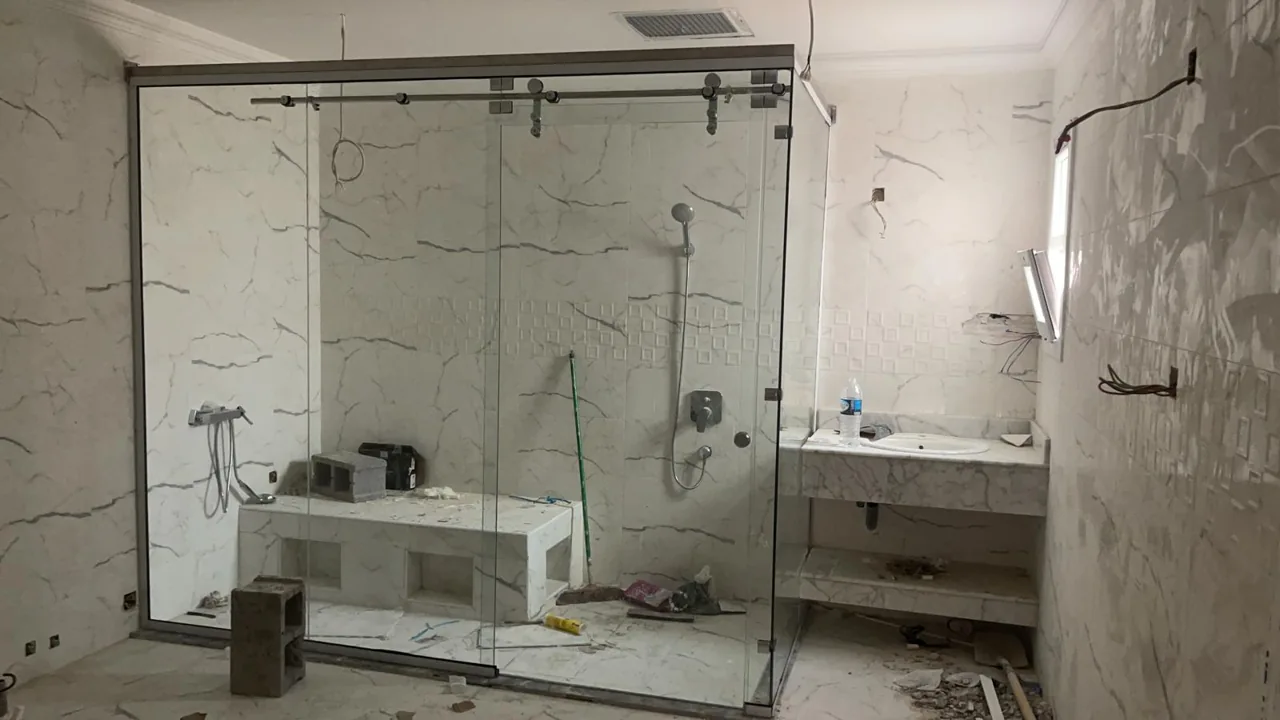
Prepare your home before the team arrives
Preparing for the visit does not mean doing the cleaning yourself. It means making the agreed areas available and arranging the basics needed to start work. Clearing personal belongings from cupboard interiors and work surfaces also helps you keep important items organised during a move.
- Confirm that water and electricity are available throughout the visit.
- Identify who will open the property and review the completed work.
- Arrange any building permission needed for the team and equipment.
- Remove personal papers, valuables and belongings from areas to be cleaned.
- Identify items that will remain and anything that must be kept.
- Explain any deliveries, installation or removal work planned for the same day.
- Allow time for the walkthrough and drying before furniture arrives or keys are returned.
Where possible, complete dusty installation and removal work before the final cleaning. Drilling, unpacking large deliveries or continuing construction can create fresh dust in finished rooms. If these activities must overlap, explain their sequence when arranging the booking so your priorities and the practical timing can be discussed.
Cleaning empty and furnished apartments or villas
An empty apartment can offer easier access to floors and storage spaces, but its kitchen size, bathrooms and windows still influence the work required. A villa may have several levels, stairs, additional entrances and rooms beyond the bedrooms. Describe these features so the request reflects the whole property rather than only its bedroom count.
In a furnished home, list any sofas, carpets, curtains or mattresses you want cleaned. These items need a defined scope and care appropriate to their materials, with drying time considered before reuse. If furniture will arrive later, bring it into the prepared rooms in an organised sequence and keep packing materials away from freshly cleaned surfaces.
For a partly occupied home, work in a clear sequence. Choose the first room to empty, keep belongings together in a dry holding area, then return them only when that room is ready. Keep one route available for household movement and separate it from wet floors and equipment. Medicines, documents and fragile items should have a safe place before the visit. Children and pets need a separate space while products are being used and until the relevant surfaces are ready for use.
For example, a family may already be sleeping in one bedroom while the remaining rooms are empty. Prepare that bedroom’s cupboard interiors first only if the contents can be removed safely, then move through the unused rooms. A large furnished lounge with blocked edges has different access from an empty lounge of the same size. The quotation and inspection list should describe those accessible areas clearly.
When to discuss post-construction or specialist cleaning
Tell the company about paint, cement, adhesive or heavy dust from building work before the visit. These residues may require a different assessment from normal household dirt, including consideration of the surface underneath. Photographs help explain the condition and discuss what treatment may be appropriate rather than assuming every mark can be handled in the same way.
You can also discuss related Dar Al Mahara services where needed, such as sofa, carpet, curtain or mattress cleaning, marble polishing, water tank cleaning and air conditioner cleaning. Ask for the required service to be identified in the quotation. Planning these needs before the move helps you understand their cost, timing and relationship to the general property cleaning.
After building work, distinguish fine dust from adhered cement, paint and adhesive. Do not test an unknown strong chemical or metal blade on a visible surface to find out whether it works. Retain the installer’s product and material information where available, and have a small discreet trial assessed before a wider treatment. Bulk building debris and unfinished electrical or plumbing work need their own arrangements before a final household clean can be reviewed sensibly.
What affects the cost of move-in and move-out cleaning?
The quotation should reflect the amount of work and the property’s condition. Two apartments of similar size can have different cleaning needs because of grease, bathroom deposits, windows or remaining furniture. Accurate descriptions and photographs help explain those differences and support a quotation based on the tasks you actually require.
| Quotation factor | Useful details to provide |
|---|---|
| Size and layout | Rooms, bathrooms, floors and additional spaces |
| Property condition | Empty or furnished, previously occupied or recently renovated |
| Cleaning required | Photographs of grease, deposits, dust and visible marks |
| Windows and cupboards | Approximate quantities and the interior or exterior areas requested |
| Additional services | Furnishings, appliances or specialist work to be considered |
| Site arrangements | Location, access permissions, lifts and handover timing |
Ask for a quotation that identifies the included areas and any additional services. Confirm the arrangements for materials and equipment as well. If the property changes or you add rooms or items, inform the company before the visit. Comparing quotations by their actual scope helps you choose an option suited to your needs and budget.
Why choose Dar Al Mahara for your property cleaning?
Choosing a cleaning company is easier when you can explain your needs and understand the proposed work. Dar Al Mahara offers move-in and move-out cleaning in Qatar alongside other household cleaning services. You can discuss the condition of your apartment or villa, the areas that matter most and any related services needed before your move or handover.
A practical visit has a clear beginning and finish: access to the requested areas, suitable materials for their surfaces, and a final walkthrough against the agreed list. Keep the written quotation with the inspection checklist. If you spot a remaining cleaning issue, identify its room and exact location so it can be reviewed while the work is being checked.
For English enquiries, contact Dar Al Mahara on 70022290 or email [email protected]. Share the property’s location in Doha or the requested area of Qatar so service arrangements and availability can be checked before a booking is confirmed.
Your final checklist before moving in or returning keys
Allow time for a short walkthrough after cleaning. Start with the kitchen and bathrooms, then move through the bedrooms, living areas and other included spaces. A written checklist is particularly useful in a larger property or when several people are coordinating the move.
- Review the rooms, corridors, floors and accessible corners included in the booking.
- Open empty cupboards whose interiors were part of the agreed work.
- Check the kitchen surfaces, sink and cupboard fronts on your list.
- Review bathroom mirrors, glass and accessible fittings.
- Check that surfaces are dry before putting belongings away.
- Describe any cleaning concern clearly during the review.
- Record separate maintenance needs for the next stage of preparing the property.
Once the review is complete, protect the result during furniture delivery and unpacking. Avoid placing dirty boxes on cleaned surfaces and keep packaging in a designated area. These simple arrangements help maintain an orderly home while you distribute belongings between rooms.
| Area | What to look for at the walkthrough |
|---|---|
| Kitchen and storage | Included shelves and drawer corners are free of loose debris, wipeable surfaces have no obvious cleaning residue, and interiors are dry before food or clothes are stored. |
| Bathroom | Included fixtures, mirror edges, shower glass and tile joints have been reviewed; leaking fittings, failed sealant or damaged grout are recorded separately. |
| Windows | Included glass is checked after drying, accessible sills and tracks have no loose debris, and old scratches or damaged films are noted. |
| Rooms and circulation | Floor edges and door corners are checked, the walking route is dry, and belongings and packing materials are accounted for. |
Use a simple room record with four columns: included item, cleaning observation, separate defect and follow-up. For example, “bedroom two, wardrobe shelf: dust in rear corner” describes a cleaning point; “wardrobe base: swollen board” describes a material defect. Take an overall room photograph and a closer image of any concern if you need a record, without including private papers or people. Cleaning acceptance and tenancy decisions should remain separate.
Frequently asked questions about property cleaning in Qatar
Is it better to clean before furniture arrives?
An empty property usually gives better access to edges, corners and storage. The most useful sequence is to finish dusty installation work, clean the accessible rooms, review and allow drying, then deliver furniture. If the home is already furnished, plan around the accessible areas and keep a clear route for movement.
Can I book cleaning after a tenant moves out?
Yes, cleaning can prepare a property for its next occupant or final review after a tenant leaves. Remove personal belongings first and identify anything the owner wants to keep. Review the cleaning against the included room list, with damage and repairs on a separate record.
Can cupboard interiors be included?
Yes, when the booking includes them and they can be emptied. Check shelves, drawer corners and accessible internal edges before putting belongings back. Let the material dry fully, especially at board joints, and follow the supplier’s instructions for sensitive or newly installed units.
Are sofa and carpet washing included automatically?
No. Fabric washing needs its own agreed items, method and cost. It also introduces drying requirements that can affect a handover or the first night in the home. Identify each sofa, rug or fitted carpet so its material and condition can be assessed before treatment.
How long will the cleaning take?
Timing depends on the actual tasks and condition, rather than the bedroom count alone. A kitchen with heavy grease, numerous windows or construction residue changes the work. Obtain an estimate for the agreed scope and leave space afterwards for drying and the walkthrough.
Can the visit be arranged for my handover day?
A requested date needs an availability check before confirmation. Where possible, book early enough for the clean, drying and review to finish before keys are due. Keep one person available to inspect the rooms; a tight deadline should be explained at the first enquiry.
How do I get a quotation before booking?
Ask for an itemised quotation using the property description and requested task list. Check whether materials, equipment, cupboard interiors, appliance interiors and any specialist work are included. Compare the same scope between quotations; a lower headline figure may cover fewer areas.
What should I send when contacting Dar Al Mahara?
Send one clear message with the location, apartment or villa layout, number of rooms and bathrooms, empty or occupied condition, requested date, task priorities and recent overview photographs. Add close-ups of unusual residue and any building-access restriction. Keep private papers and people out of photographs.
If you need separate fabric care, review our sofa cleaning service and curtain cleaning guide. Check the published prices and offers before discussing the quotation; these tasks are included only when agreed.
For household surface care, the CDC cleaning and disinfecting guidance explains when routine cleaning is appropriate and when disinfection may be needed. Follow the product label and the surface care instructions, and never mix cleaning products.
For material care, consult the Natural Stone Institute’s stone-care guidance and LATICRETE’s cement-grout care guidance. They support choosing compatible care, testing a discreet area where appropriate, and treating the surrounding material as well as the visible mark. The surface or appliance manufacturer’s instructions remain the reference for your particular finish.
Plan your move with Dar Al Mahara
Prepare the property after dusty work, allow the cleaned areas to dry, and review the included rooms before unpacking or returning keys. For English enquiries, call 70022290 or contact Dar Al Mahara on WhatsApp with the location, property details and requested date. The quotation, scope and appointment are confirmed after the details and availability are reviewed.
