
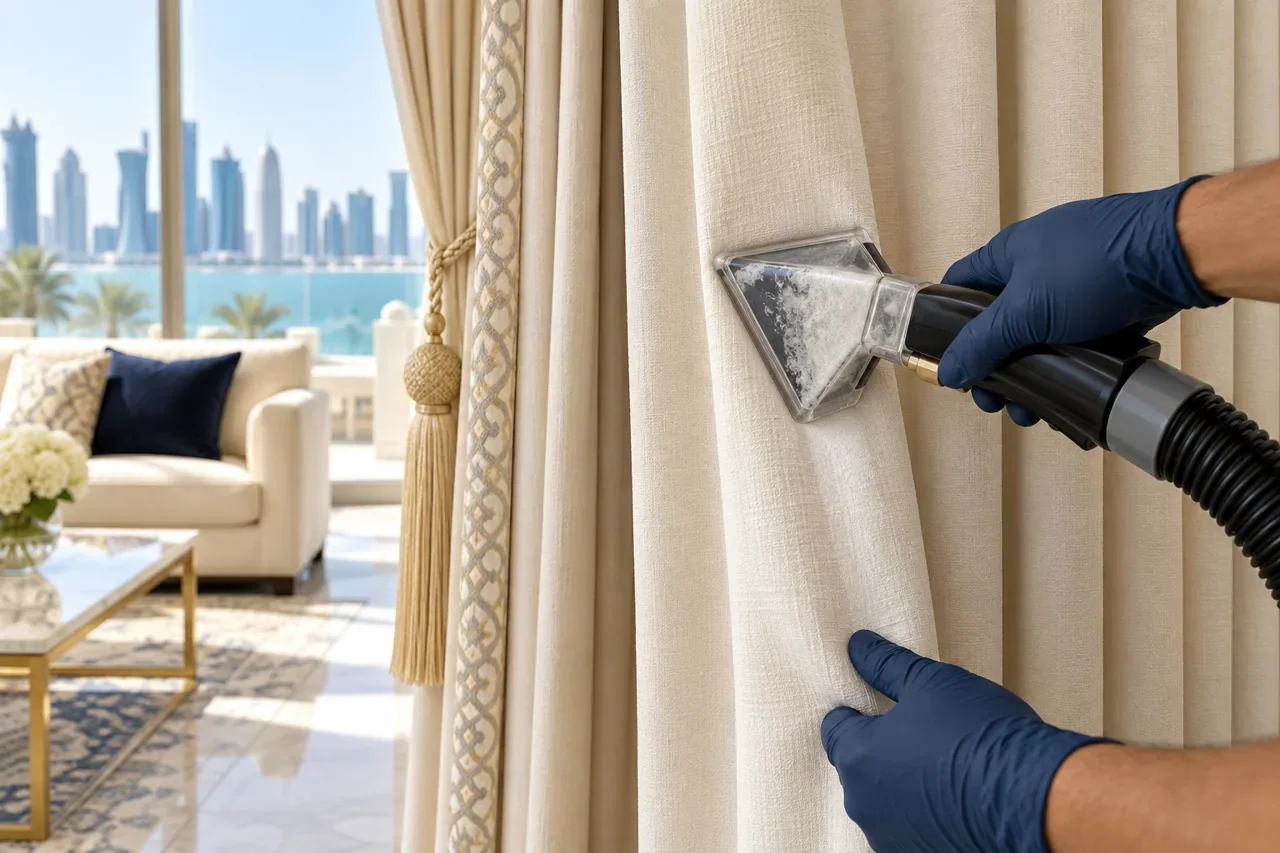
Curtain cleaning in Qatar starts with the whole curtain: face fabric, lining, heading, trim and installation. A washable sheer and a lined, dry-clean-only curtain can look similar from across a room but need very different care. Dar Al Mahara receives curtain cleaning requests in Qatar; send the panel count, available measurements, photographs and care instructions so the fabric, condition and available scope can be reviewed before a quotation and appointment are confirmed.
| Topic | What the article explains |
|---|---|
| Curtain cleaning in Qatar: what to include in your request | Start with the care label and supplier information, rather than selecting a machine wash or steam treatment by appearance. |
| Preparing for the visit | Clear ornaments, papers and small belongings from the window area and the route through the room. |
| After the service | Ask for aftercare that identifies the actual fabric and method: how it will dry, when it can be gathered or used normally, and who handles any agreed rehanging. |
| Details that help assess your curtains | Send one photograph of the entire window arrangement, one of the accessible label, and close views of marks or damaged areas. |
Contents
Curtain cleaning in Qatar: what to include in your request
Start with the care label and supplier information, rather than selecting a machine wash or steam treatment by appearance. Photograph the complete label, including crossed-out symbols and any written instructions. A fabric composition label alone does not tell you whether the finished curtain, with its lining and decorations, can be washed. If the label is missing, describe the material as unknown instead of guessing that a shiny fabric is silk or a pale sheer is cotton.
There is no universal method for curtains. Hillarys specifies professional dry cleaning for its curtain fabrics and explains that face fabric and lining can shrink differently. By contrast, IKEA’s named MAJGULL room-darkening product allows a specified machine wash but prohibits dry cleaning and tumble drying. These are product-specific examples, not instructions for your curtains. A gentle cycle, a low temperature or the word professional does not override a prohibition on the actual item’s label.

Preparing for the visit
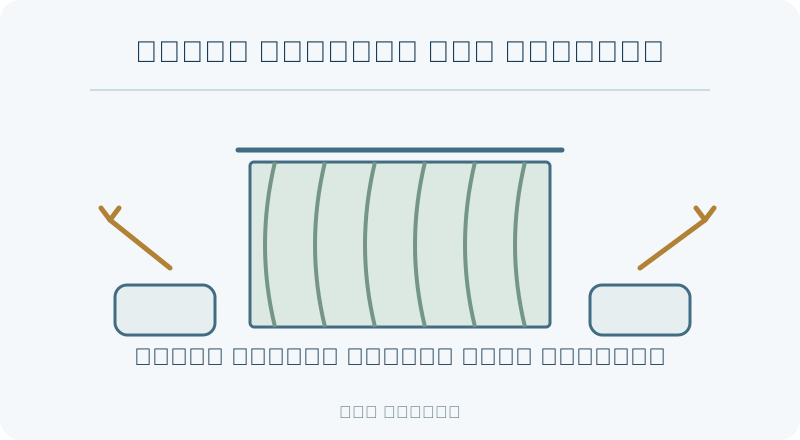
Clear ornaments, papers and small belongings from the window area and the route through the room. Put valuables away yourself and explain any restricted access. Dar Al Mahara does not provide furniture moving; tell the team if a heavy bed, cabinet or sofa blocks the window so the accessible scope or preparation can be discussed before the visit. Do not pull a curtain over furniture to create working space.
Point out loose brackets, cracked hooks, frayed seams and high tracks without climbing to investigate. Keep children and pets away from the active work area according to the team’s directions. A clear floor gives the responsible person room to assess the installation; a chair or improvised platform is not a substitute for suitable access equipment.
After the service
Ask for aftercare that identifies the actual fabric and method: how it will dry, when it can be gathered or used normally, and who handles any agreed rehanging. The front may feel dry while a thick hem, heading or attached lining remains damp. Follow the responsible provider’s assessment rather than checking only the easiest area to touch. Do not tie back, fold, bag or cover damp material unless the particular care instructions require a different controlled arrangement.
Cleaning can remove suitable soil without reversing sun fading, loss of pile, weakened fibres or an existing change in length. View the result after the advised drying stage and compare the same area under similar lighting. Raising the heat or adding a second household treatment to chase a remaining mark can make later assessment harder.
Booking and related information
A curtain quotation needs the actual type, size, layers, condition and access requirements. There is no single curtain price stated on this page. Do not calculate a curtain charge from sofa-seat or carpet-area rates. Ask what quantity the quotation covers and how any changed measurements or added panels would affect it. Availability and the appointment are confirmed after the request has been reviewed.
Use Dar Al Mahara on WhatsApp or call the English enquiry number 70022290. You can also read the published prices, browse the services directory and consult the cleaning guides. If you are arranging a wider clean, identify curtains as a separate item with their own care requirements.
Details that help assess your curtains
Send one photograph of the entire window arrangement, one of the accessible label, and close views of marks or damaged areas. Include the number of main panels, separate sheers and attached or separate linings. Show the room context when a pelmet, ceiling recess or nearby furniture limits access. Photographs support an initial assessment; they cannot establish every fibre, hidden seam or previous treatment.
For a second-hand curtain or a set that has been relined, explain what is known about the alterations. An original label may describe the face fabric but not a replacement lining or added trim. Matching colour does not prove matching construction, even within one room.
Can the curtains stay in place?
Whether a curtain can remain hanging depends on the manufacturer’s care instructions, condition, construction and the method actually available for that installation. In-place treatment is not automatically safer simply because the curtain stays on its track. Moisture or heat still reaches the fabric, seams and lining, and restricted access can prevent a suitable assessment of the back.
Confirm separately whether any removal, transport or rehanging is offered and included. The service title does not establish those arrangements. If a necessary handling step is not available, agree an appropriate alternative before taking panels down or committing to a linked appointment.
How should I plan around drying?
Plan around the room’s purpose: a bedroom may need blackout coverage, while a ground-floor living room may need privacy. Tell the team which requirement matters and ask what the proposed method means for room use. Avoid promising guests that the curtain will be ready by a fixed hour before the drying and handling arrangements have been explained.
Ventilation should suit the room and the method. Opening a window during dusty outdoor conditions may add fresh soil; sealing a damp room without the advised ventilation creates another problem. Ask for practical instructions for the actual conditions rather than applying one rule to every home.
Create an inventory of the window arrangements
List rooms and windows before counting the property as a whole. For example, living-room window A might have two main panels with attached lining and two separate sheers; bedroom window B might have two different room-darkening panels. Record these as distinct groups. The aim is to connect each item to the correct label, condition and quotation, not to assume a particular charging unit.
Keep window names consistent across photographs and messages. Identify a replacement panel or altered drop even if it matches its neighbour. You can number photographs in your message without attaching adhesive labels to delicate fabric. If handling away from the window is agreed, ask the responsible provider how the pieces will remain identifiable through that process.
Dimensions that help explain the work
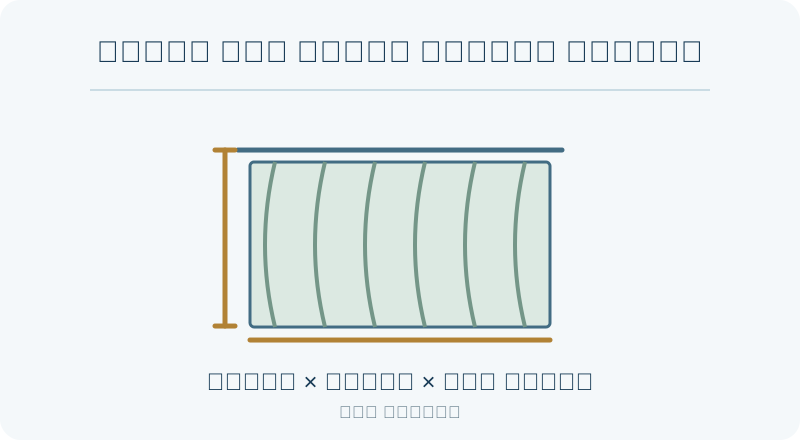
The width of the window opening, the length of the rail and the width of a flat panel are different measurements. State which you have. A pair of gathered panels can contain substantially more fabric than the visible opening suggests. Give the number of panels and the approximate drop alongside the measurement, and mark estimates as estimates. Supplier records or an original order can be more useful than trying to measure at height.
Do not detach hooks, stretch the heading or stand on furniture to obtain an exact figure. Explain a high track, stairwell, recessed ceiling fitting or unusually long drop with an overall photograph taken from a safe position. The final quantity and access requirements may need confirmation before a firm quotation.
Front fabric, lining and decorative details
Inspect the construction as well as the fabric face. An attached lining shares seams with the front, while a separate lining can be an independent item. Interlining adds another layer that may be hidden between the two. Blackout can come from a separate layer, a coating or the fabric’s construction; the word blackout alone does not identify a cleaning method. Show peeling, flaking, sticking or cracking if visible, without scraping the backing to test it.
Pleats, heading tapes, eyelets and stitched folds help the curtain hang correctly. Photograph the heading before any agreed handling so its arrangement is clear. Do not loosen gathering cords or flatten permanent pleats as a cleaning experiment. Beads, tassels, embroidery, metallic threads and glued trims also need attention: a method acceptable for the main fabric may not suit the attached decoration. Keep detached decorative pieces safely and report missing ones before work.
For velvet or another pile fabric, appearance changes when the pile lies in a different direction. Avoid vigorous brushing, rubbing or pressing a wet mark. Hillarys warns that unsuitable washing can damage velvet’s pile and texture. That is a reason to check the actual product guidance, not a blanket instruction to steam every velvet curtain.
Separate staining from exposure and wear
A dark band at the hem may be accumulated soil; a pale strip facing the glass may be fading; a tide mark can follow a leak or a previous wet treatment. These are observations to report, not diagnoses from a photograph. Record where the mark is, when it appeared and whether the fabric feels different. Cleaning is not a way to replace missing colour or repair a split seam.
Take an overall picture and a close view in ordinary light before treatment. Note earlier shrinkage, uneven hems or weak areas near sunny folds. A hidden-area test can help assess a proposed treatment, but it does not prove that an entire aged, altered or unevenly exposed panel will respond identically. Ask what improvement is realistic and which marks may remain.
Dust around the window and conditions in the room
Routine dust care should follow the curtain maker’s instructions. Where permitted and the fabric is sound, a clean upholstery attachment on low suction can help lift loose surface dust. Work gently from an accessible position, supporting the fabric rather than drawing it into the nozzle. Stop if the material catches, the heading strains or loose trim moves. Fragile sheers and weakened fabric need assessment before suction is applied.
Hems, folds and the lining can collect dust that is less obvious from the room. Check nearby sills and accessible surrounding surfaces so loose soil is not immediately transferred back. If there is condensation, a leak or repeated dampness, arrange attention to the cause. Fabric cleaning alone does not repair a window seal or stop an ongoing moisture problem. Report visible mould or a persistent musty smell before deciding on treatment; do not cover it with fragrance.
Confirm what the available service includes
Compare a proposed service by what it does to the particular item. Routine dust removal, suitable local stain treatment, a permitted wash and professional dry cleaning address different needs. Steam is another exposure to heat and moisture; it is not a universal alternative when washing is prohibited. Ask how the proposed method follows the label and accounts for attached layers, decorations and existing damage.
Keep the confirmation concrete: identified panels and layers, method subject to any necessary assessment, price, access, handling responsibilities and aftercare. Agree any change before work begins. This makes it possible to review the result without expecting a cleaning visit to include installation repair, sewing or treatment of unrelated room contents.
Tracks, motors and fittings need separate clarity
Distinguish the curtain from the rail, rings, hooks, cords and any motor. Note stiff movement, a missing hook or a loose bracket before cleaning. Pulling harder can strain fabric and fittings; fabric treatment will not repair a motor or straighten a damaged track. Keep the installer’s instructions available for whoever is responsible for the installation.
For accessible fittings, follow their own care instructions and keep liquid away from electrical parts. Do not spray a rail recess, motor housing or control because it is close to the curtain. A dry accessible surface and a powered mechanism are different items. Work involving electrical components, high access or dismantling needs the appropriate responsible provider and a confirmed scope.
Prepare the room without moving heavy furniture
Prepare the route as well as the window. Remove small objects from shelves and sills that could obstruct access or be knocked while the fabric is handled. Tell the team about a recently treated floor, delicate wall finish or nearby electronics so protection and work order can be discussed. Keep the room available for the agreed work instead of expecting treatment through a narrow gap behind furniture.
If someone else receives the team, leave the window inventory, label photographs and agreed instructions with that person. They should know which panels have old damage and who can approve a change. One clear point of contact reduces the chance that matching curtains in different rooms are confused during assessment.
Plan privacy and room use
Privacy and darkness can require different planning. A sheer may obscure some views in daylight but should not be assumed to replace the normal night-time privacy of the complete arrangement. Decide how the room will be used if a main layer is unavailable. Avoid fastening temporary sheets to the track or hanging an unfamiliar heavy panel on fittings whose load suitability is unknown.
If several rooms are involved, ask whether a staged arrangement is practical and how visits or stages would be quoted. Give a genuine priority, such as the occupied bedroom, rather than requesting an unrealistic fixed turnaround. Keep normal exits and the access route clear throughout the work.
Coordinate with decorating and a wider clean
Finish dusty drilling, sanding or painting near the window before treating curtains where practical. Explain any ongoing work when discussing the date; a later contractor visit can put fresh dust on cleaned fabric. Keep paint tools, wet floor products and cleaning sprays away from curtains. Do not push long hems onto a newly treated floor to open the working area.
Where glass, upholstery or floors are also being cleaned, discuss the order and separate care requirements. Window cleaning products should not be sprayed onto curtain fabric. A broad room-cleaning request should identify which curtain layers are included and which surrounding tasks need their own arrangement.
Review the proposed work at the visit
At the visit, compare the item list with what is present. Point out new stains or alterations since the photographs were sent. Show existing loose seams and ask whether they affect the decision to proceed. If a proposed treatment changes after closer inspection, understand the reason, expected result and any price change before approving it.
For a fresh spill, avoid rubbing, soaking or applying an improvised mixture. If the maker permits blotting and the fabric is stable, gently absorb excess liquid with a clean white cloth without dragging the mark outward; stop if colour transfers or the surface changes. For a dry-clean-only, coated, delicate or unknown curtain, ask for advice before adding moisture or stain remover. Keep the product name and spill history for assessment.
Aftercare should match the confirmed method
Drying and finishing are separate from stain removal. Ask about the particular lining, hems and heading as well as the visible front. Do not use a hairdryer, heater, iron or steamer to speed up a deadline unless the item’s instructions and agreed care specifically allow it. A permitted ironing temperature on one fabric is not permission to press an attached coating or decorative trim.
Wait for the advised stage before tying back or gathering the panels. When handling has been agreed, keep each panel associated with its original window and follow the responsible provider’s rehanging directions. If the curtain hangs unevenly, report whether the difference is at the hooks, heading, lining or hem rather than immediately stretching it or changing the cords.
Handover and any later observation
Review the same panels under suitable light once the advised drying stage permits. Check counts, visible soil, the previously noted marks, seams, folds and the way the panels hang. A room-darkening layer should also be observed in its normal use, without treating small pre-existing gaps at the sides as a newly created fabric fault. Discuss any difference from the recorded condition calmly and specifically.
Keep the date, window number and relevant before-and-after photographs for a later query. Mention any intervening leak, decorating or additional treatment. Repeated stronger cleaning is not automatically the right answer to a remaining old mark. Some fabrics may change in length, and old marks may remain even after suitable cleaning.
Information to send with your enquiry
A useful enquiry can be brief: “Living room, window A: two lined panels and two separate sheers; approximate drop supplied from the original order; care-label and condition photographs attached. Please review a suitable method, the quoted quantity, access and whether any handling steps can be offered. We need to understand drying before using the room that evening.” Add your area in Qatar and preferred date without treating it as a confirmed appointment.
For English enquiries, call 70022290 or send the details through Dar Al Mahara on WhatsApp. Keep the confirmed description with the curtain’s care information for future maintenance. This is more useful than repeating a method from another fabric or treating all windows in the property as one identical item.
Care references
The care examples above come from Hillarys’ curtain care guidance and IKEA’s instructions for MAJGULL article 205.860.19. They illustrate why finished-product instructions differ; use the label and supplier guidance for your own curtain. Neither example establishes which cleaning or handling arrangements Dar Al Mahara can offer for an individual request.