Use an apartment cleaning checklist before handing the property back to record cleaning tasks, maintenance issues and the final inspection separately. Start with a list of rooms and the areas included in your agreement. Arrange cleaning after packing and moving work where possible, so that new dust is not created immediately after the visit.
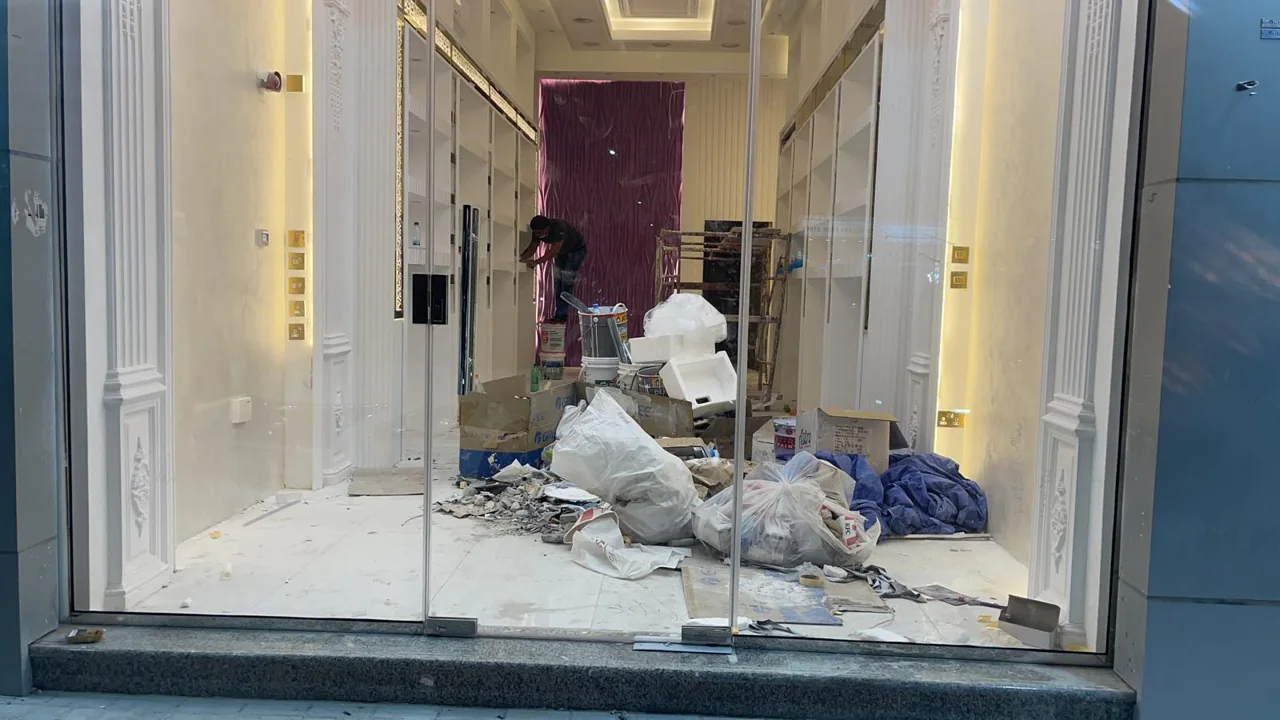
Prepare the empty property
Confirm that water and electricity are available and explain how the team can enter the building. Remove personal belongings and identify any remaining items that are not to be discarded. Report leaking fixtures, broken fittings or other maintenance concerns separately; cleaning does not repair a defect.
Kitchen checklist
- Agree whether empty cupboards are to be cleaned inside.
- Check worktops, splashbacks and accessible surfaces.
- List the appliances included and whether internal cleaning is requested.
- Explain stubborn grease or marks before the visit.
- Review floors and accessible edges without assuming heavy appliances will be moved.
Bathrooms and living areas
Check sanitary fixtures, accessible tiles, floors and cabinets. Different materials need suitable products, and permanent surface damage should be distinguished from removable deposits. In living areas, include doors, reachable switches and window surfaces that can be accessed safely. High exterior windows may require a separate service.
Floors, curtains and upholstered items
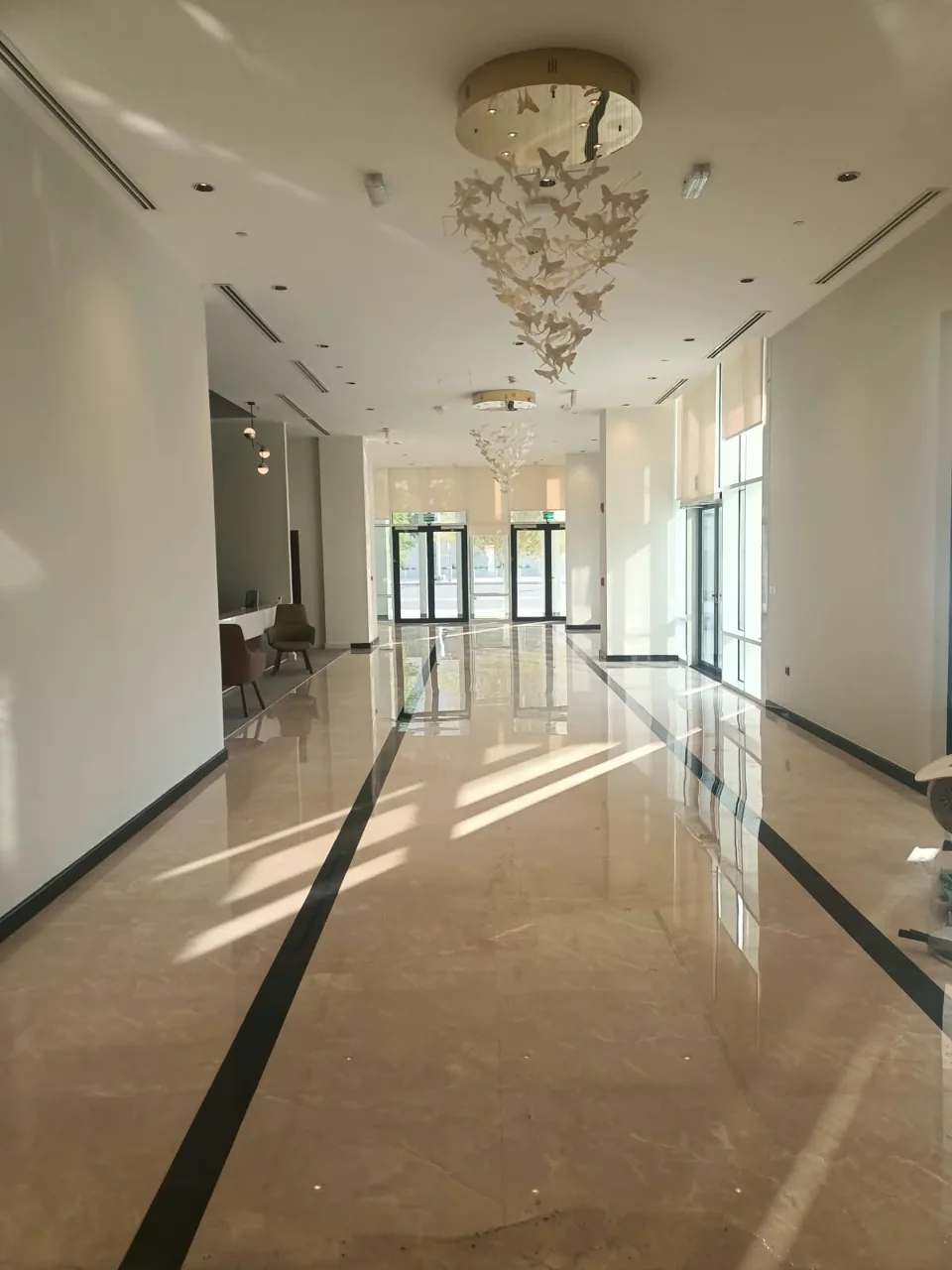
Describe the floor finish before selecting a cleaning method. Marble polishing is different from general floor cleaning, and carpet washing needs drying time. If furniture or curtains remain, list them separately. Do not assume specialist washing, removal or rehanging is part of a general apartment handover clean.
Final review
- Walk through the agreed rooms and review the completed scope.
- Record any remaining cleaning issue or separate repair.
- Check that wet surfaces are safe before normal access.
- Collect belongings and confirm the key arrangements.
- Keep the handover requirements and inspection notes together.
Cleaning does not guarantee a deposit refund or inspection acceptance. Check handover requirements with the person responsible for your tenancy; this checklist concerns cleaning tasks. For the cleaning scope, review move-in and move-out cleaning in Qatar and contact Dar Al Mahara on WhatsApp with the apartment size, area, photographs and preferred date.
Apartment cleaning checklist: build a plan for the actual property
Use the opening checklist for the essentials, then work through the apartment in a practical sequence. Give each room a task you can actually inspect: cupboard shelves without crumbs, a worktop without cleaner residue, glass without visible streaks or floor edges without loose dust. A strong fragrance or a shiny centre of the room is not a substitute for those checks. The following order can guide your own preparation and the review of a booked service.
- Remove belongings and finish work that will create new dust.
- Attend to accessible higher surfaces before lower surfaces.
- Clean the kitchen, empty cupboards and named appliance areas.
- Use a separate set of tools for bathroom work.
- Complete available living areas, storage and reachable interior glass.
- Finish floors using the method suited to each material.
- Review the room list and relevant drying instructions before the handover.
Prepare soft clean cloths, suitable dust-removal equipment, an appropriate floor tool and ordinary-waste bags. Separate kitchen and bathroom tools, keep used cloths away from clean ones and replace dirty solution rather than moving it between rooms. Read each product label for the surfaces allowed, dilution, precautions and any removal of residue. Do not mix cleaners or assume that a larger dose gives a better finish; an unsuitable product can create another problem on an otherwise sound surface.
Set the order of packing, repairs and cleaning
Plan a route from the furthest ready room toward the exit, keeping final floor work near the end. Set aside one bag for your remaining personal items and keep outgoing boxes away from rooms already prepared. After the last small item leaves, check the place it covered: a shelf corner, the floor near a cabinet or the area behind a door may need attention even when the centre of the room looked ready.
Finish repairs that spread dust or water before the final cleaning where practical. If something must happen afterward, identify the room and route that may need another review. Dar Al Mahara does not provide furniture moving as an assumed part of cleaning; arrange necessary handling separately and describe heavy items that will stay in place. A blocked area can be recorded honestly rather than marked complete simply because it appeared in the original plan.
Make the quotation specific enough to review
Build the request around the actual work, not only the number of bedrooms. Two apartments of the same size can differ in cupboard contents, grease, remaining furniture and the appliance interiors required. A useful quotation identifies the rooms and relevant tasks, the materials and equipment arrangement, access limitations and any separate specialist work. If you compare providers, give them the same current information so the figures refer to comparable work.
| Item to describe | Helpful detail | What to confirm |
|---|---|---|
| Rooms and condition | Room count, bathrooms, current photographs and remaining belongings. | The areas available for the agreed work. |
| Cupboards | Which units will be empty and which interiors are requested. | The actual shelves and surfaces included. |
| Appliances | Name each item and whether exterior or interior care is wanted. | Preparation and a method suitable for that model. |
| Glass | Interior faces, frames and reachable tracks, with access shown. | Any high or exterior work assessed separately. |
| Specialist items | Fabric pieces, carpet dimensions or a floor restoration request. | Method, aftercare and a separate price where relevant. |
Keep the confirmed list with the person receiving the team. A request added later should be reviewed for suitability, time and total before it becomes part of the visit. That single clear list is more useful than repeating the same scope question in every room. The room guidance below explains what to look for within the tasks actually arranged, without implying that general cleaning repairs damage or includes every possible specialist treatment.
Turn the kitchen into a sequence of accessible tasks
Start with storage. Empty the selected cupboard, remove crumbs and loose debris with an appropriate tool, then wipe only with a method suitable for its finish. Attend to corners, handles and accessible door edges as well as the shelf centre. Avoid leaving water at board joints or around fittings. Remove product residue as directed and check for stickiness before closing the unit; a clean-looking front does not establish that the inside is ready.
On worktops, identify the material before choosing a product. A surface that resembles stone may be a different finish with different care limits. For grease on a surface that permits a degreaser, follow the label’s method and working time instead of leaving it to dry at random. Inspect with ordinary side lighting after the required wiping. If a film remains, review the cloth and product removal rather than covering the area with polish or fragrance.
List appliances individually. The Bosch Qatar refrigerator guidance, for example, describes preparing the appliance and food, using a soft cloth with suitable mild care and drying the door seal after cleaning. Use the instructions for your own model and component. Wiping an exterior is different from preparing shelves inside, and neither task means a cleaner should disconnect an unfamiliar electrical or gas installation.
For an oven, distinguish its control surfaces, door, removable accessories and internal finish. Bosch’s oven care information refers users to the model instructions for self-cleaning and explains that racks and accessories need attention separately. Do not transfer a programme or cleaner to another oven without checking. A damaged seal, faulty switch or appliance that does not operate belongs in a separate technical assessment, rather than being described as stubborn dirt.
Inspect bathrooms without confusing deposits and damage
Remove personal bottles and ordinary obstacles before starting the bathroom. Keep toilet-cleaning tools separate from those for basins, mirrors and other surfaces. Remove loose dirt first, then use the method suited to each finish, working from less soiled areas toward more soiled ones and changing cloths as needed. At the end, inspect accessible corners, the base of fittings and the area behind the door, not only the middle of the mirror.

A deposit, a damaged coating and a failed joint are different observations. Identify the surface and describe a mark before treating it with a stronger product. A bathroom cleaner suitable for one tile or fitting may not be suitable for neighbouring stone, metal or coated glass. Do not mix products. If a disinfectant is needed, use a compatible product and its label instructions, including contact time; fragrance or immediate wiping does not prove that step has been completed.

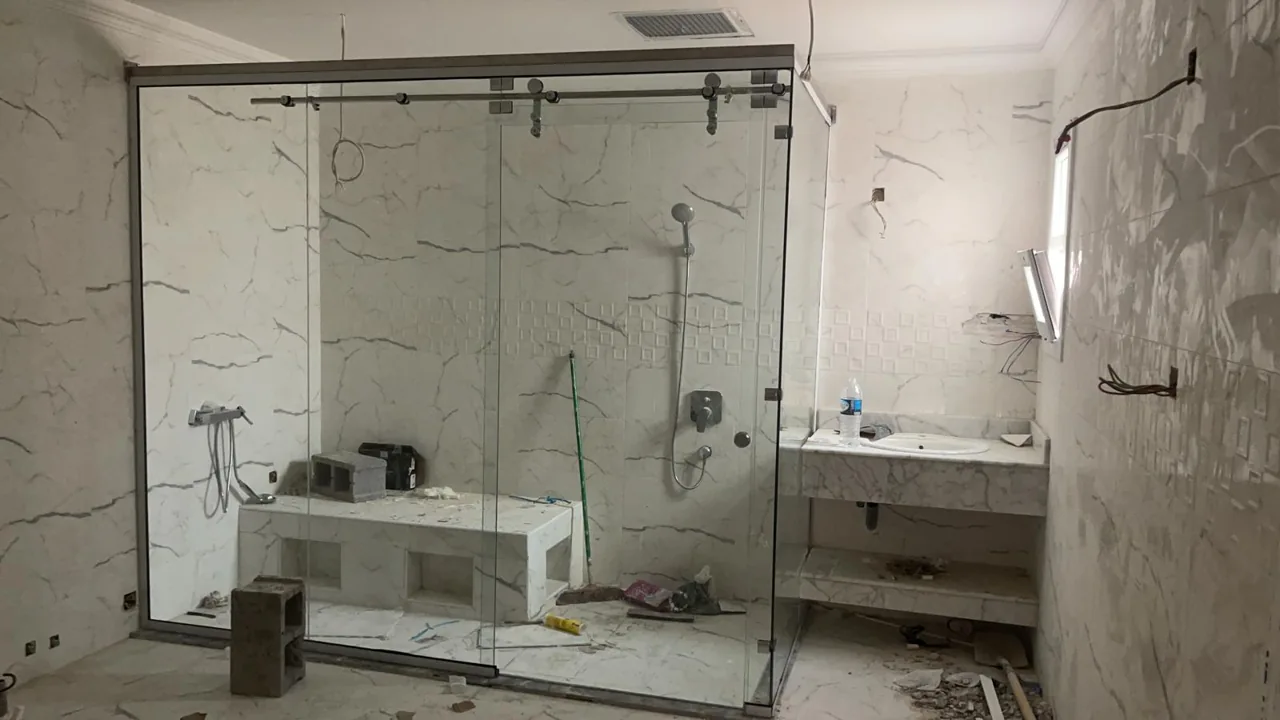
Record a leaking fitting, loose seal, crack or peeling finish separately. Cleaning a wet patch repeatedly does not repair the source of water, and removing soil does not renew damaged material. If previous products were used on the area, identify them where possible. The photographs here show fittings and surfaces, including areas during fitting work; they are not a promise that unfinished construction or every old mark can be resolved by ordinary cleaning.
Review bedrooms, living areas and built-in storage
Once belongings have left, review the accessible skirting, door edges, cupboard interiors and corners that were hidden from view. Remove loose dust before wiping a surface whose instructions allow it. Work in sections, then inspect the edges rather than only the large central area. Store your own documents, keys and small items separately so that the room can be cleaned without sorting personal property or deciding which object should be discarded.
For built-in wardrobes, specify the empty shelves or drawers to be attended to. Use care suitable for the finish and avoid leaving moisture at joints or fittings. Painted surfaces and wallpaper need their own instructions; do not assume that every scuff can be scrubbed away. Keep cleaning of reachable surrounding surfaces separate from an electrical fault, loose hardware or a sticking door that needs assessment by the appropriate person.
Decide what window cleaning means in your apartment
For reachable interior glass, remove loose dust from the frame and accessible track with suitable equipment before cleaning the pane. Use an appropriate glass-care method for its coatings, and inspect from another angle after moisture has cleared. Streaks may be easier to see from the side than directly toward daylight. A dirty cloth or product residue can cause an uneven result, so review those before repeatedly treating the entire window.
Identify any existing scratches, failed seals, paint or adhesive marks. These need a decision appropriate to the glass and frame rather than an improvised sharp tool. High or exterior areas require a separately confirmed access arrangement; do not lean outside or stand on furniture to prepare them. For a balcony, describe its contents and the building’s access and drainage arrangements, keeping water away from electrical equipment and neighbouring areas.

Choose the right approach for floors and remaining fabrics
Remove loose dust and grit using equipment suitable for the floor, then follow the finish’s instructions for product and moisture. Timber, laminate, carpet and stone should not automatically receive the same method. Divide the floor into manageable sections and work toward the exit so you do not carry dirt across an area just finished. Inspect accessible edges and places newly exposed by the move, where a quick central pass may leave debris.
Distinguish general cleaning from restoration. A dull appearance, deep scratch, loose tile or swollen board is not simply a reason to add more detergent. Explain the observation and assess any specialist request separately. The same distinction applies to fabrics: routine dust removal, carpet washing and care of a curtain or upholstered piece are different tasks. Check the material and care information before adding moisture or removing a component.
| Separate specialist service | Dar Al Mahara pricing basis | What to clarify |
|---|---|---|
| Sofa cleaning | QAR 35 per seat, minimum QAR 200 per order. | Seat count, fabric, condition and non-standard pieces. |
| Carpet washing up to 20 square metres | Minimum QAR 200. | Dimensions, material and condition. |
| Carpet washing above 20 square metres | The entire area × QAR 10 per square metre. | For example, 25 square metres = QAR 250. |
| Marble polishing | QAR 35 per square metre. | Assessment of the surface and the polishing scope. |
These are separate pricing bases, not an automatic inclusion in a general apartment clean or a price for every item in a furnished room. A mattress cannot be priced as a sofa seat merely because both are fabric-covered. If specialist washing is requested, allow for the actual drying and use instructions before the inspection or the return of furniture; no single duration applies to every fabric and method.
Use a room record during the final walkthrough
Use the room record to connect a visible result with the agreed task. Keep the wording short and specific enough that someone who did not attend the cleaning can understand it. Give a separate action to a maintenance problem, an inaccessible area and a cleaning observation. This prevents the same unresolved item from circulating in messages without anyone knowing whether it needs more cleaning, preparation or a repair.
| Area | Check the included work | Separate observation |
|---|---|---|
| Kitchen | Selected shelves, worktops, sink and named appliance areas. | A faulty appliance, damaged coating or leaking pipe. |
| Bathrooms | Included fixtures, glass, accessible corners and floor. | A failed seal, crack or continuing source of moisture. |
| Living areas | Available surfaces, cupboard interiors and edges. | Paint damage, blocked areas or a hardware fault. |
| Windows | The panes, frames and tracks that were specified. | A scratch, failed seal or excluded exterior surface. |
| Floors and fabrics | The method and pieces that were confirmed. | Restoration, existing damage or further drying before use. |
- Open available cupboards and inspect the corners, not just the fronts.
- Look at cleaned glass from a different angle once moisture has cleared.
- Check for crumbs, loose dust and unwanted product residue.
- Review accessible floor edges and the area behind doors.
- Ask which area remained unavailable and what aftercare applies.
- Remove equipment and keep the relevant instructions with the receiver.
Handle a remaining mark with a clear description
If a mark needs attention, identify the exact room and location, such as residue on the right-hand kitchen shelf or dust at a bedroom edge. Compare under similar lighting where possible. Ask whether the observation is remaining soil, product residue or a change in the material before applying another treatment. Repeated use of a stronger product can change the condition you are trying to assess rather than making the follow-up clearer.
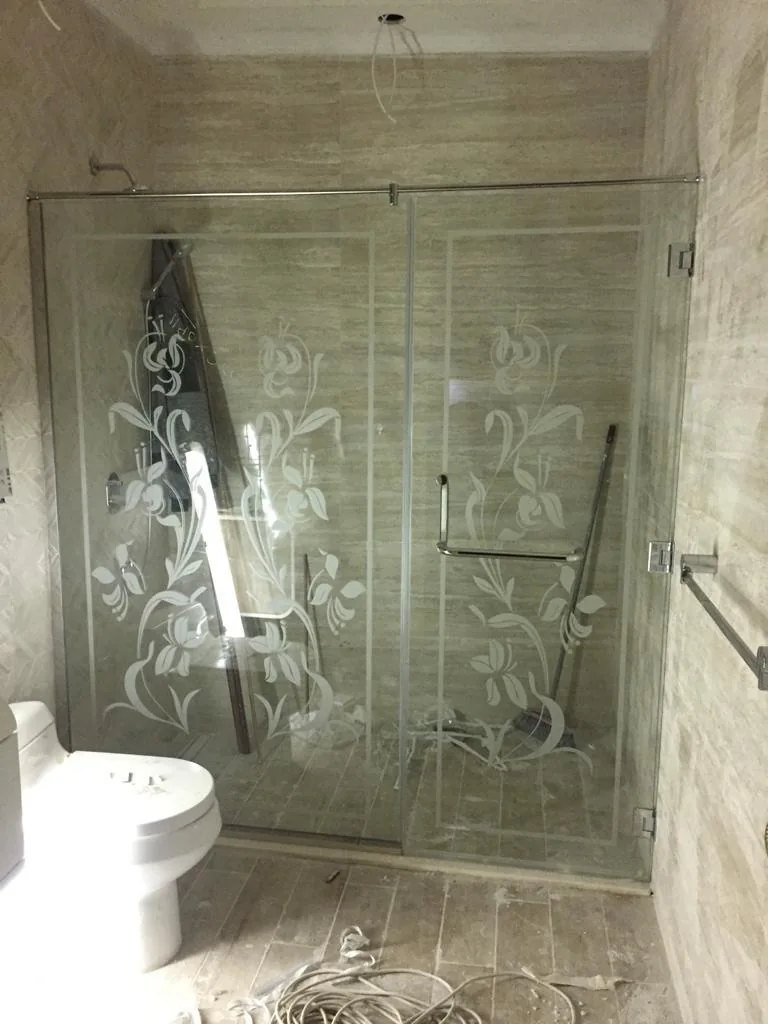
Keep the relevant photograph, cleaning date and confirmed task with the description. Mention a later spill, contractor visit or treatment if one occurred. These records support a practical cleaning discussion; they do not decide tenancy responsibilities or guarantee a deposit outcome. Refer questions about your handover requirements to the responsible person, while keeping the cleaning concern tied to the work that was actually requested and performed.
Coordinate access, the inspection and the last visit
Confirm who opens the apartment and who reviews the work, with the same current room list available to both. Explain any building entry, lift or parking arrangement before arrival. If another person receives the team, give them the original priorities and the person to contact before adding work. Keep unidentified belongings separate rather than treating every item remaining after a move as ordinary waste.
For cleaning enquiries in English, call Dar Al Mahara on 70022290 or use Dar Al Mahara WhatsApp. Send the area, apartment size and room count, current condition after moving, photographs and the specialist items requested. Confirm the tasks, total, preparation and availability before arranging the rest of the handover around the visit. The useful result is a clear plan that can be inspected, with unresolved matters directed to the appropriate next action.
Example: an apartment with one room still occupied
Consider a hypothetical two-bedroom apartment where one room still holds packed boxes. The ready rooms can be identified clearly, while the blocked room remains marked unavailable until the removal work is complete. After the boxes leave, check the newly exposed edges and shelves rather than assuming a cleaning visit already reached them. The example illustrates a sequence and an access decision, not a completed customer job or a guaranteed duration for a two-bedroom property.
If a landlord-owned sofa and loose rug remain in that apartment, name the pieces and establish what care is actually required. A surface review is different from separately requested washing. For a washing enquiry, provide the sofa details and rug dimensions, then review the suitable method, cost and drying instructions. Keeping those items separate makes the general apartment work understandable and helps avoid paying for an unnecessary service or expecting an unspecified fabric package from the word furnished.
For the difference between cleaning and disinfecting, see the CDC household cleaning guide. Confirm surface care and agreed tasks with the team.
Customer reviews
Read our customer reviews on GoogleRead customer experiences, ratings and review dates directly on Google before booking.