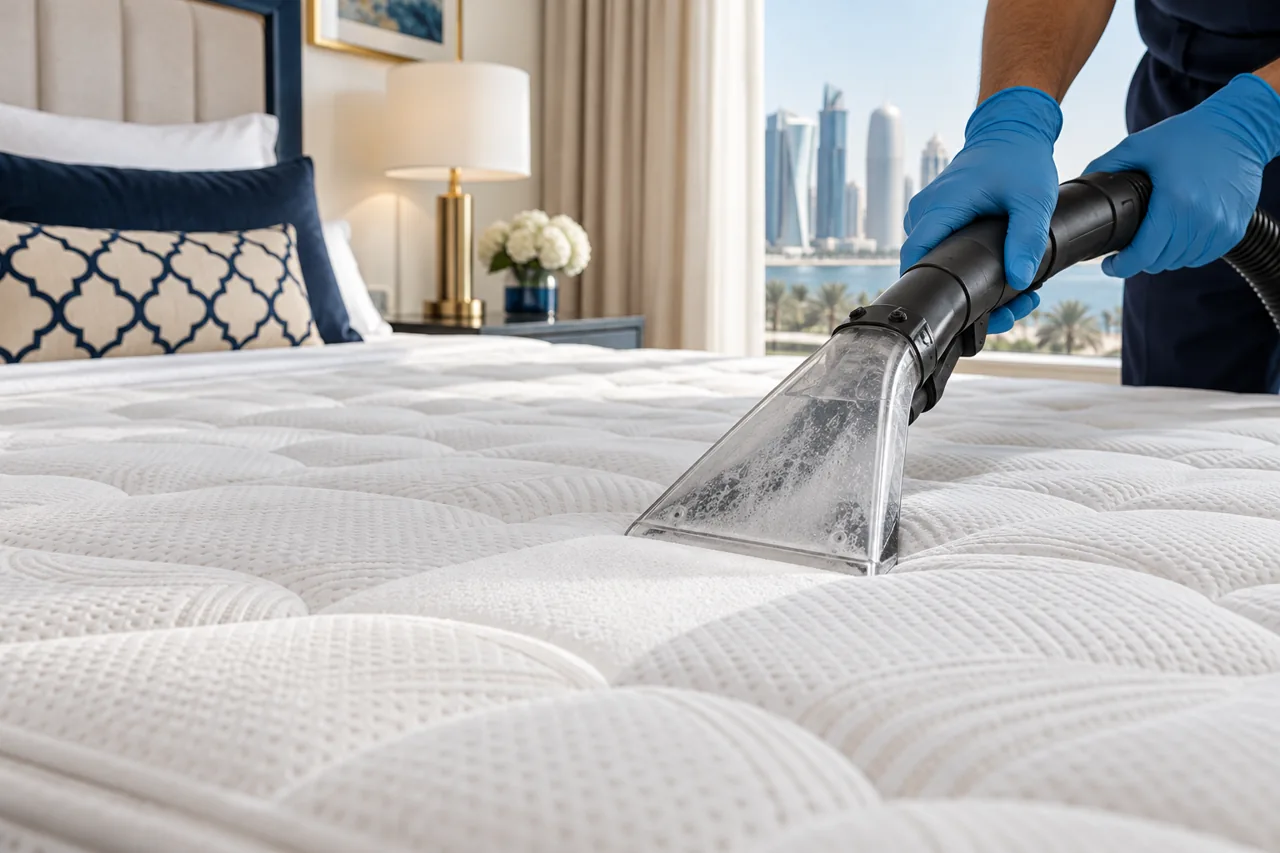

Dar Al Mahara offers mattress cleaning in Qatar according to the material, care label and condition. Use this guide to describe stains, separate cover care from core care, prepare the bedroom and plan drying before putting the bed back into use.
Whether you want to refresh a mattress in regular use, assess a particular stain or prepare a bedroom before moving in, the first step is to understand what needs attention. Share the mattress size, photographs and any available care information. For English enquiries, contact Dar Al Mahara on 70022290 to discuss the cleaning scope, quotation and drying arrangements before booking.
Contents
Mattress cleaning in Qatar: why plan care for this item separately?
A fitted sheet and a mattress protector can hide changes in the sleeping surface. When you strip the bed, look at the seams, edges and the area beneath the protector as well as the middle. Note loose dust, isolated spots, broad changes in colour and any dampness separately. These observations help distinguish ordinary surface care from a problem involving the filling, bed base or room.
A mattress is a layered item, so the cleaning decision concerns more than its visible fabric. A spring mattress may still contain foam, adhesives and padded layers; a soft quilted top may have different care requirements from its removable protector. Cleaning suitable surface soil does not mean washing every layer. An inspection should identify the construction, the areas that can be reached and whether the proposed treatment respects the manufacturer’s instructions.
Professional help is useful when you need this assessment, cannot identify the cover, or have a mark that has resisted earlier treatment. Keep photographs of existing damage and explain your main aim: removing surface dust, addressing a specific spill, or preparing a stored mattress for use. This makes the later review more meaningful than judging the entire visit by the colour of one old mark.

When to enquire about mattress cleaning
Consider an enquiry when you see persistent surface soil, a noticeable spill mark or a change after storage. There is no universal professional-cleaning interval for every household. Frequency depends on the product’s instructions, use, protection and condition. A guest mattress used occasionally and an everyday bed affected by a spill need different attention.
- For a recent spill, record what happened and when; follow the product’s immediate care instructions while seeking advice.
- For a stored mattress, explain where it was kept, whether it was wrapped and whether the wrapping or base was damp.
- For a mattress in a property you are moving into, ask about its history and inspect it before arranging bedroom access.
- For repeated odour, note whether it is strongest at the fabric, underside, base or nearby wall.
- For several beds, identify differences in material and condition rather than requesting an identical treatment for all.
If you find extensive wetting, visible mould-like growth, deteriorated fabric or sagging, describe that first. Routine surface cleaning may be unsuitable or insufficient; ask whether an assessment or manufacturer advice is needed before proceeding. If you suspect insects, explain the signs separately. Mattress cleaning should not be assumed to provide pest treatment or to resolve a health concern.
What can mattress cleaning include?
The scope is arranged around the mattress and the request. It may include removing accessible surface dust and treating suitable marks using an approach compatible with the available care instructions. The surfaces included, any cover cleaning and the arrangements for drying should be discussed before the visit, especially if you need the bed again at a particular time.
Tell the company whether your priority is a single affected area or the accessible mattress surface more generally. Identify any removable protector, topper or cover separately. These items can have their own care requirements, and an instruction for washing a cover does not automatically apply to the mattress filling underneath.
Bed frames, upholstered headboards, pillows and surrounding carpets should also be listed separately if you want them considered. A clear scope helps you understand the quotation and makes the final review more straightforward. You can then check the agreed items rather than relying on a broad description such as “clean the whole bed”.
The mattress material determines the approach
Start with the care label and the exact model, not simply the words “orthopaedic”, “spring” or “memory foam”. These names do not establish whether a cover is washable or whether the core tolerates moisture. Photograph every care panel, including any “do not remove” warning. If the label is missing, a receipt, product page or model name may help the manufacturer identify the instructions.
| Part or construction | What needs checking | Practical implication |
|---|---|---|
| Foam or memory-foam core | Restrictions on wetting, heat and drying position | Do not treat the core as washable because the outer cover can be laundered. |
| Spring or hybrid mattress | Care for the padded layers above the springs | Springs inside do not establish that water extraction or steam is suitable. |
| Quilted or pillow-top surface | Stitching, padding depth, worn areas and permitted treatment | The appearance of the top alone cannot show how deeply a spill has travelled. |
| Removable outer cover | Permission to remove it and its own washing and drying label | A zip can be part of manufacture; leave it closed unless removal is authorised. |
| Topper or protector | Separate label, backing and care method | List it separately even if it sits on the same bed. |
The restrictions can be substantial. For example, Tempur-Pedic’s product-care guidance says its TEMPUR material must not be washed or made wet, while cover care depends on the product. This is a model-specific example, not an instruction to use that brand’s cover-washing settings on another mattress.
Where an appropriate treatment is permitted, a professional may check a small inconspicuous area before wider use. The purpose is to look for colour transfer, a surface change or another reaction. A successful spot test does not override a prohibition on wetting the core, nor does it guarantee that an old stain will disappear. Ask what can be attempted safely and what should remain untreated.
Surface dust, stains and odours need different attention
Describe soil by what you know rather than by its colour alone. A yellow or brown mark may have more than one cause, and a photograph cannot establish its depth. Tell the team whether a mark followed a drink spill, body moisture, an accident or an unknown event, and whether it appeared recently or has remained through previous cleaning.
- Loose dust and debris: identify accessible seams and edges. If the manufacturer permits vacuuming, use appropriate care and avoid pulling on damaged fabric or loose threads.
- Drink spills: state the liquid and whether it contained milk, sugar or colour. Explain the amount and whether the underside or base was affected.
- Body-fluid accidents: identify the area and any previous treatment discreetly. A dry surface mark may not describe material beneath it.
- Oily or cosmetic marks: disclose the product if known. Repeated rubbing or applying a strong solvent can change the fabric as well as the mark.
- Old rings or faded patches: explain whether their appearance changed after an earlier attempt. Permanent colour loss is different from removable soil.
For a new spill, follow the model’s instructions promptly. Where those instructions permit it, absorb the liquid with a clean towel without adding more water or scrubbing it across a larger area. Do not remove a built-in cover unless authorised. Keep the product names from any earlier treatment; a photograph of the container is more informative than describing it as “a little cleaner”.
For odour, note when it becomes noticeable and where it is strongest. Check whether the bed base or surrounding area was also wet. Fragrance can mask a smell without identifying its source. Discuss the expected improvement separately from visible stain removal, and report a smell that persists after the mattress has dried rather than repeatedly adding perfume or cleaning mixtures.
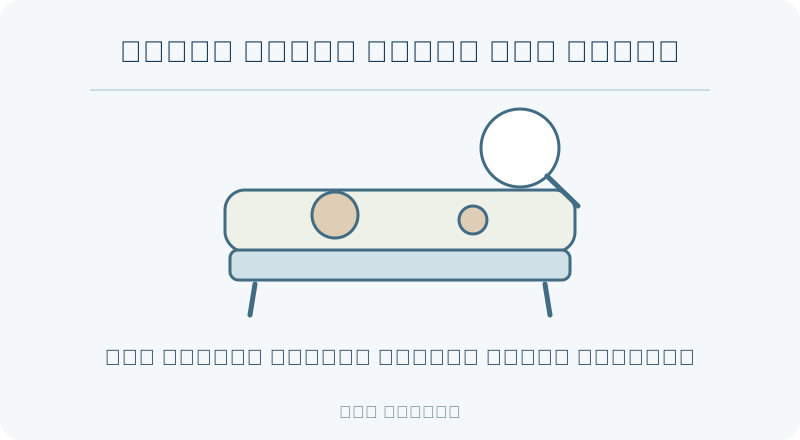
Details to send before requesting a quotation
A useful enquiry gives the company enough information to understand the mattresses and your priorities. You do not need a long technical description. A short list with clear photographs can explain the work and help avoid repeated questions about sizes, quantities and access.
- The number of mattresses and the approximate size of each.
- Whether you want one accessible surface or additional sides considered.
- An overall photograph, stain close-ups and the care label.
- The brand, model or material if you know it.
- The approximate age of marks and any products already used.
- The room location, space around the bed and access restrictions.
- Available ventilation and when you next need to use the mattress.
- Your area in Qatar and preferred appointment date.
For multiple mattresses, identify them by room or a simple number. For example, describe the main bedroom mattress separately from two guest room mattresses, and match each photograph to the correct item. This makes the enquiry clearer and helps ensure the quotation reflects the requested work.
Prepare the bedroom before the visit
Strip off sheets, blankets, pillows and a removable protector, keeping each item’s label with it if laundering is planned. Leave the mattress’s built-in cover in place unless its instructions permit removal. Put personal belongings in another clear area so there is room to reach the included edges and move equipment without stepping over bags or cables.
Check the route from the entrance to the bedroom. Tell the team about stairs, lift access, a built-in bed, low clearance or a narrow gap beside the wall. Explain where the water and electricity are available if the proposed service needs them. Keep children and pets away from the working space and drying mattress, and arrange who will open the property and review the work.
Do not drag a heavy mattress out of the room or lift it alone to make access look easier. Some handles are only for positioning, and handling restrictions differ by product. Describe the room and leave the mattress supported as instructed. Furniture moving is not part of this service. If the underside cannot be reached safely, clarify this before agreeing that both sides will be cleaned.
Prepare clean bedding but keep it away from the working area. If this is the only bed available, raise the return-to-use requirement before the appointment and arrange another sleeping option if needed. Do not use the bedroom as temporary storage for a freshly cleaned mattress under plastic or a pile of linen.
How the mattress cleaning request is organised
1. Understand the mattress and the concern
Review the mattress without bedding in place. Identify the label, seams, original tears, worn panels and the precise spots that matter to you. Match each photograph to the correct bed. Explain whether previous products made a mark lighter, larger, sticky or unchanged. If there is a concern about the underside, base or filling, raise it before surface treatment begins.
2. Discuss a suitable scope and method
Confirm the surfaces to be treated and ask what the selected method is intended to achieve. If a proposed step conflicts with the care label, stop and resolve the difference first. Discuss spot testing where appropriate, the areas that may remain marked, and the position and room conditions needed afterwards. An inspection may change what was provisionally discussed from photographs.
3. Carry out the agreed cleaning
The agreed work may involve accessible surface dust removal and suitable local treatment. It should respond to the fabric’s condition rather than repeated application simply because a stain remains. If unexpected colour change, damage or a different concern becomes apparent, discuss it before extending treatment. Keep the remaining bedding and separate furniture clear of the work.
4. Review the result and aftercare
Review the same identified areas in similar lighting. Compare the original marks with their appearance after treatment, and distinguish a remaining stain from an area that is still damp. Confirm which surfaces were completed, any limitation encountered and the drying instructions. Ask whom to contact if dampness or odour persists, and retain photographs to explain any follow-up concern.
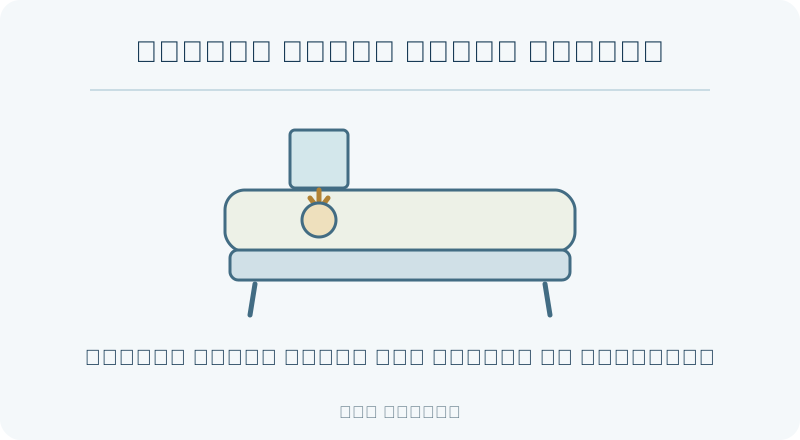
Drying is part of the service planning
There is no reliable drying promise based only on bed size. Material, thickness, the depth and extent of a spill, the permitted method, moisture introduced and the room’s air conditions all matter. A surface treated in one small area and a mattress that was wet before the visit are different situations. Explain any pre-existing dampness before cleaning is planned.
Ask for specific aftercare: the mattress’s supported position, which areas must remain exposed, whether ordinary fan-assisted airflow is appropriate, and how you should judge readiness. Keep it uncovered until drying is complete. Do not lean, bend or stand it on an edge unless the product instructions allow that position; some manufacturers require flat support.
Ventilation means allowing moisture to leave the room as well as moving air across a surface. Describe the available air conditioning, window access and room layout. Outdoor humidity and dust can make an open window unhelpful, so choose the arrangement advised for the conditions. If a fan is recommended, place it securely with clear airflow and keep electrical equipment away from wet areas.
Do not use a hairdryer, space heater or direct heat as a shortcut without manufacturer permission. Direct sunshine is also not a universal drying method for every cover or foam. Do not trap a treated surface under a waterproof protector, plastic sheet or folded bedding while waiting for it to dry.
- Leave the included surfaces accessible and follow the agreed position and airflow guidance.
- Check the previously affected areas, edges and seams as advised. A quick touch of the centre alone does not establish that deeper material is ready.
- If dampness remains, delay bedding and use the alternative sleeping arrangement.
- If moisture, an unusual smell or uncertainty persists, contact the team before covering or using the mattress.
A photograph or surface touch cannot certify dryness inside a thick filling. If there is doubt after significant wetting, seek further assessment rather than treating an elapsed number of hours as proof. Return the mattress to use according to the actual material, treatment and aftercare advice.
One side, both sides and separate bedding items
Tell the company which mattress surfaces you want considered. Some beds limit access to the underside, while some mattresses have a specific sleeping surface or handling instructions. The requested sides, safe access and product guidance should all be considered when agreeing on the work and quotation.
Keep the mattress, topper, protector and bedding distinct in your list. A washable protector follows its own label, and a topper may have different care requirements from the mattress beneath it. If you want additional bed components assessed, identify them separately so you know which items are included and how each will be handled.
What determines the mattress cleaning quotation?
The quotation depends on the number and size of mattresses, the included surfaces, their condition and the location. A request involving several different mattresses needs more detail than a request for one accessible surface. Clear information helps the quotation reflect the actual work rather than an assumption based only on the number of bedrooms.
| Quotation factor | Details to share |
|---|---|
| Quantity and size | The number of mattresses and the size of each |
| Surfaces included | Which sides or accessible areas you want assessed |
| Material and instructions | Care label photographs and available model information |
| Condition | Stain photographs, previous treatment and any odour concerns |
| Additional items | Any topper, cover or other bed component requested separately |
| Location and access | Your area, room access and practical building arrangements |
Ask for the included items to be identified when the price is discussed. If you later add another mattress, a second surface or a separate bedroom item, explain the change before the appointment. An agreed list helps you compare the quotation with your needs and keeps the review at the end of the visit straightforward.
Coordinate mattress cleaning with other home services
Mattress cleaning can be discussed alongside a home-cleaning or move-in request when you are preparing the bedroom and surrounding rooms. Share the whole plan so the timing of each service can be considered. Dusty installation, furniture delivery or unpacking may affect the best sequence for completing the work.
You can also enquire about Dar Al Mahara services such as sofa, carpet and curtain cleaning if those items need attention. Identify each service and request its scope and price separately. This gives you a clearer view of the overall plan and lets you prioritise the items that matter most before arranging the visit.
Why choose Dar Al Mahara for mattress cleaning in Qatar?
Dar Al Mahara accepts mattress-cleaning enquiries in Doha and Qatar with the aim of matching the request to the item and its condition. A useful first discussion identifies the bed, main concern and care restrictions. It should leave you able to decide whether the proposed work addresses your priority and whether you can provide the access and drying conditions it needs.
For English enquiries, call 70022290 or email info@daralmhara.com. Share your area and preferred date so practical arrangements can be checked. You can also send the photographs through Dar Al Mahara on WhatsApp.
Looking after the mattress after cleaning
Once the mattress is ready, put on clean, fully dry bedding and a compatible protector if recommended by the manufacturer. A protector has its own care instructions; dry it completely before fitting it. Do not assume that an extra thick pad is appropriate for every model or that a waterproof layer should be fitted while the mattress still needs to dry.
Use bedding changes as a chance to inspect the seams, edges and underside where safely accessible. Note new spots and check whether moisture is coming from a spill, the base or the room. Keep the manufacturer’s care information and the details of the recent treatment together, so future cleaning does not start with an unknown product history.
Follow the model’s guidance for rotation, flipping and support. Some mattresses are one-sided and should not be flipped; handling advice for another bed may be unsuitable. If the mattress needs storage or transport, ask about its approved position and packaging. Do not seal a damp mattress for storage.
For example, a household cleaning two guest beds before visitors arrive can label the beds A and B, finish dusty room work first, and keep clean linen aside. Each mattress can then be checked and returned to use on its own readiness, rather than remaking both merely because one feels dry. This is a planning example, not a promised completion time.
Frequently asked questions about mattress cleaning
Can every mattress be washed or steam-cleaned?
No single method is suitable for every mattress. The care instructions and material determine whether moisture, heat or a particular treatment can be considered. Send the care label and model information before booking, especially if the product has specific cleaning restrictions.
Can old stains be completely removed?
The result depends on the fabric, the stain, its age and any previous treatment. Some marks may improve while permanent discolouration or damage remains. Share photographs and the history of the stain so realistic expectations can be discussed before a cleaning method is agreed.
Is a removable cover the same as a washable cover?
Check the manufacturer’s instructions for the exact cover. A zip or removable appearance does not establish that it can be washed. Cover care and mattress filling care may be different, so share the label and ask for clarification before removing or treating it.
How long will the mattress take to dry?
Drying varies with the material, treatment and room conditions. Discuss the expected arrangements when booking and follow the guidance provided after the work. Allow the mattress to dry fully before covering it, rather than relying on a fixed time intended for another product.
Can I sleep on the mattress that evening?
Explain this requirement before the appointment so timing and suitability can be discussed. The bed should return to use according to the drying advice for the actual method and material. Arrange another sleeping option if needed instead of assuming immediate use after cleaning.
Do I need to move the mattress before the visit?
Clear belongings around the bed and explain any access difficulty. Tell the company if the mattress is heavy or fixed in position, and discuss the surfaces you want included. Handling arrangements should account for the product instructions and the space available in the bedroom.
Does mattress cleaning include the headboard or bed frame?
List these items separately if you want them considered. Their materials and cleaning needs may differ from the mattress, so ask which items are included in the quotation. The same applies to toppers, protectors and other bedroom furnishings.
Should I apply a stain remover before the appointment?
Share the stain details and any treatment already applied instead of adding another product just before the visit. The existing treatment needs to be considered alongside the care instructions. Avoid combining products or soaking the mattress as preparation for the booking.
Can I arrange several mattresses in one request?
Send the quantity, sizes and room locations, with photographs matched to each mattress. Explain differences in materials, condition and the surfaces requested. A clear list helps discuss the overall quotation and plan when the bedrooms can be used again.
How do I request a mattress cleaning quotation?
Contact Dar Al Mahara on 70022290 with the mattress sizes, quantities, photographs, care label and location. Mention stain history, previous products and your preferred date. These details help discuss the scope, suitable approach, price and availability before confirmation.
Discuss your mattress cleaning with Dar Al Mahara
Give your mattress the attention it needs with a cleaning request based on its material and condition. Share the details, agree the work and plan enough time for aftercare before returning the bed to use. Contact Dar Al Mahara on 70022290 to discuss mattress cleaning in Qatar, your quotation and a suitable appointment according to availability.
For related furniture care, read our sofa cleaning guide. Check the published prices and offers before asking for a quotation; mattress work is assessed for the specific items and is not automatically included in another service.
The CDC household cleaning guidance distinguishes routine cleaning from disinfection when needed. It does not replace the mattress manufacturer’s instructions: check the label before using moisture or a product, never mix cleaners, and do not assume cleaning can repair damage or resolve a health concern.