Prepare a mattress for cleaning with five checks: share care information, clear the bed, avoid adding products, plan drying and review the result. The steps below help coordinate access and reuse; the chosen method still depends on the material and condition.

Preparing a mattress before cleaning helps the team choose an appropriate method and helps you plan when the room can be used again. Mattresses vary in their materials, filling and construction. Check the care label and share photographs of stains or affected areas before the visit rather than assuming that every mattress can be washed in the same way.
Prepare a mattress for cleaning: share the right information
State the mattress size, approximate age if known and the problem you want addressed. Mention previous cleaning, persistent odours, spills and any signs of damage. A stain may affect more than the visible cover, so a photograph does not replace an assessment of the material and condition.
Clear the bed and working area
- Remove sheets, blankets, pillows and removable protectors.
- Keep the manufacturer’s care information available.
- Move personal belongings away from the bed.
- Explain whether the mattress can be moved safely and how the room is accessed.
- Agree separately on cleaning a bed base, headboard or surrounding carpet.
Avoid adding products before the visit
Do not combine household cleaners or soak the mattress in an attempt to prepare a stain. Tell the team which products have already been applied. Too much moisture can make drying more difficult, and an unsuitable product can affect the fabric or leave a residue. The chosen method should reflect the mattress instructions.
Plan for drying
Drying depends on the material, the amount of moisture used and the room conditions. Arrange ventilation according to the advice given after cleaning and avoid immediately covering the mattress with bedding. The surface feeling dry does not always show the condition of deeper filling. Ask how to check the mattress and when it may be used again.
After the visit
Follow the care guidance for the mattress and monitor any remaining odour or dampness. Cleaning does not repair damaged filling or guarantee that every old stain will disappear. If the mattress remains damp or there is another concern, contact the service provider before returning it to use.
Read the mattress cleaning service details and send your request through Dar Al Mahara on WhatsApp. Include the mattress size, relevant photographs and your area in Qatar so the scope can be discussed.
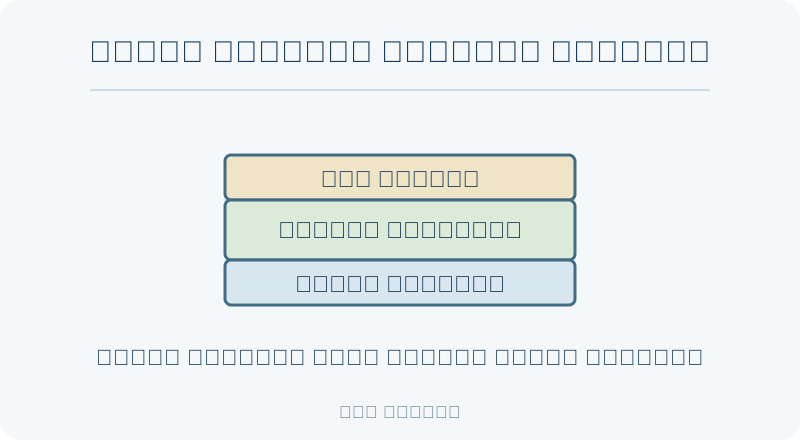
Build a room-use plan before booking mattress cleaning
The five checks above become easier when you identify what is actually being cared for. A mattress body, its original cover, a separate protector and an additional topper are different items. They may need different preparation and may not allow the same cleaning method. Start with the product name and the instructions for the relevant component, then use the following guide to organize the room and the questions that remain.
The aim is to make a sensible care decision, not to request the wettest or most intensive treatment available. Some constructions have strict restrictions on washing or moisture, while certain removable covers have their own washing instructions. A service described as mattress cleaning should still be matched to the particular item. The existence of a zip, the appearance of a stain or another customer’s experience cannot establish that match for you.
Identify the actual item
Look for a care label, model name, order record or the supplier’s product information. Record the mattress size as well as the name, because two beds in the same home can contain different products. If the label is not accessible, explain that rather than lifting a heavy item alone. A photograph of the visible label or purchase information is more useful than guessing the filling from how firm the bed feels.
For each item, prepare a short description: room, size, model if known, the part needing attention and the concern you noticed. Mark unknown information as unknown. If you ask a retailer for instructions, use the actual model or purchase reference and ask whether the answer concerns the cover or the mattress body. Keep that reply with the request so that a general statement about a washable accessory is not mistaken for permission to wash the whole mattress.
Separate the mattress from the rest of the bed
| Component | What to establish | Useful preparation |
|---|---|---|
| Mattress body | Construction and the manufacturer’s permitted care method. | Product identification and a view of the affected area. |
| Original mattress cover | Whether removal and washing are allowed for this model. | Its own care instructions, without opening internal layers. |
| Separate protector | Material, washing and drying instructions for that protector. | A separate place to keep it after preparation. |
| Additional topper | Whether it is a separate product and what its label allows. | Its name, size and concern recorded separately. |
| Pillows or upholstered headboard | Different materials and potentially a different service. | A separate item description rather than assuming inclusion. |
Use the table to make the enquiry precise. For example, a request about a mark on the original cover is different from a concern about the filling after a spill. Similarly, a mattress protector purchased separately is not necessarily the removable outer cover supplied with the mattress. Describe the component you can identify and ask about the unknown part, instead of opening layers to make the description appear more complete.
Make a short record of the concern
Take one general photograph that shows where the mark sits on the mattress, followed by a closer image in ordinary light. Note when you first noticed it, whether it was wet or dry at that time and what you know about its cause. If you do not know the cause, say so. Distinguishing a recent spill from an older colour change helps frame the assessment without promising that either will disappear.
Keep odour as a separate observation: when it is noticeable, where it seems strongest and whether there was a known spill, storage period or previous treatment. Do not add fragrance to improve the first impression or treat the smell as a confirmed diagnosis. If you notice insects or signs around the bed, describe those separately and seek the appropriate assessment; surface cleaning and pest treatment are different requests.
Disclose products already used
Make a simple history of anything applied: product name, approximate date, area treated and the result observed. Keep a photograph of the original container or label where available. Include a powder, spray or home mixture as well as a branded cleaner. This information is practical because an earlier attempt may have left residue or changed the fabric, even if the visible mark did not improve.
While waiting, avoid adding more liquid or combining advice from several unrelated sources. A preparation guide cannot make a particular stain treatment suitable for an unidentified mattress. Follow the manufacturer’s permitted response to a spill and ask about a proposed treatment before using it. If a method is not allowed for the material, a small trial does not make it acceptable; the spot-test illustration above is conditional on suitable care instructions.
Explain access and handling limits
- Clear small belongings from the route between the entrance and the bed.
- Remove ordinary bedding and separate accessories according to their instructions.
- Describe a side blocked by a wall, fixed frame or other furniture.
- Mention an electric or unusual base that affects access.
- Identify who will receive the team and keep the product information available.
- Prepare a clean place for removed bedding and covers.
Clearing a route does not mean dismantling a bed or turning a heavy mattress on your own. Some products are designed for use on one side, and handling instructions differ. Dar Al Mahara does not offer furniture moving as an assumed part of cleaning; describe any preparation that needs separate handling. A clear photograph of the obstruction and the known size can explain the limitation without placing the mattress in an unstable position.
Arrange the bedding as a separate task
Treat sheets, protectors, pillows and any removable cover as separate care tasks. Read the label for each item rather than copying one washing temperature across the group. Prepare clean bedding away from the working area, and check a protector for a tear, a damaged fastening or a mark requiring its own permitted treatment. Having bedding ready does not mean the mattress is ready to be covered immediately after the visit.
A specific example illustrates why the component matters. The IKEA Qatar ÅFJÄLL product care information lists machine washing at a maximum of 60°C for its cover, with instructions including closing the zip and turning the cover inside out, and line drying. Those are instructions for that cover, not a washing programme for the mattress body or a universal temperature for other covers. Check your own product before removing or washing anything.
Clarify the method before agreeing to it
Manufacturer examples help turn a general request into a product-specific question. TEMPUR’s Qatar care guidance distinguishes covers from the TEMPUR material and restricts washing the mattress material itself. Cover care can vary by product. Identify the model and component before requesting a process that adds moisture, and share the relevant instructions rather than assuming that every item described as foam allows the same treatment.
In its mattress care guide, Sealy discusses gentle vacuuming and limited suitable spot care, avoiding saturation and allowing drying before bedding is replaced. These examples show differences in care; they are not one recipe for all brands. Ask how the proposed service fits the instructions for your actual item and which parts it covers.
Keep that conversation tied to an identifiable task: permitted routine dust removal, care of an approved removable cover or assessment of a particular mark. Do not use a product example as a guarantee that a stain can be removed or that a particular machine must be used. If the model remains unidentified, the useful next step may be finding the correct information from the supplier before authorizing a treatment.
Agree what happens if the assessment changes the plan
If an assessment reveals information that changes the proposal, ask for a plain explanation of the new decision: what was found, which part can be cared for, what method is suitable and what remains uncertain. A changed plan might concern the component, access or the expected result. It should be understandable before work proceeds, rather than hidden behind the word complete or a general promise of a stronger clean.
Tell the provider if anything changed after the original enquiry, such as a new spill or another product being applied. Keep the revised description with the correct mattress when more than one is involved. If the care instructions rule out a suggested method, return to the supplier or discuss a suitable alternative; a visitor’s arrival or a move does not change the material’s limitations.
Plan the period after cleaning
Plan room use as a sequence, not a fixed number of hours copied from another bed. The relevant guidance depends on the construction, the treatment actually used and conditions such as ventilation and humidity. Ask what arrangement is suitable for the particular mattress, including whether its position should stay unchanged. Do not improvise direct heat or a support arrangement to accelerate a process the manufacturer has not approved.
| Stage | What to arrange | Decision before moving on |
|---|---|---|
| Before the visit | Identify the item, component and permitted method. | Resolve a material-care uncertainty rather than guessing. |
| Room preparation | Clear the route and keep clean bedding elsewhere. | Know which sides and parts are accessible. |
| Handover | Record the work and the item-specific aftercare. | Understand how and where readiness should be reviewed. |
| Before covering | Follow the actual drying and use instructions. | Do not cover while dampness or uncertainty remains. |
| If plans change | Explain any later room work or change in ventilation. | Ask for suitable guidance instead of using a universal timetable. |
If the bed is needed for a guest, family member or a move, discuss that constraint before confirming a date and prepare an alternative sleeping arrangement where necessary. Finishing the appointment and returning the bed to use are separate decisions. The point of planning is to avoid pressure to cover an item that still needs attention, while keeping the actual instructions with the person who will make up the bed.
Ask for a practical return-to-use check
Ask the provider to explain a practical check for this item and method: which accessible places to review, what observations matter and whom to contact if doubt remains. Record when the work finished and which areas were treated. A quick touch to the middle of the top surface does not establish the condition of every edge, treated area or internal layer, so the check should follow the supplied guidance rather than an improvised test.
This article does not provide a home test that proves the condition of hidden filling. If there is noticeable dampness or uncertainty, keep sheets and protectors off and contact the provider before returning the mattress to use. Describe the location and observation directly. Elapsed time, fragrance or a clean-looking cover cannot replace the relevant aftercare decision, and adding a powder or perfume will not resolve that uncertainty.
Coordinate other bedroom work
Arrange dusty work, such as painting or fitting furniture, before the final care of the bed where practical. If carpet, a fabric headboard or another bedroom item also needs attention, list each task and its own aftercare. Do not place the mattress on a newly treated floor or pile damp accessories around it merely to clear space. Plan the route and room arrangement so that each item can remain in the condition its instructions require.
Where different people handle the tasks, keep a short sequence everyone can follow: what has finished, what is still happening and which items should remain untouched. A clean sheet waiting elsewhere should not be placed over a mattress simply to free a chair, and a later contractor visit may change the condition of the room. Update the record when work or handling takes place after the cleaning visit.
Review the result against the original concern
Use the original description and photographs to locate the concern, then review what changed within the work that was carried out. A remaining mark could be staining or a colour change rather than removable dirt, while damage to fabric or filling is a separate issue. Ask about the particular area instead of judging the entire mattress by fragrance or expecting an older item to become new. Record a specific observation that can be discussed.
For ongoing care, follow the product’s own instructions for dust removal and the separate labels for bedding and protectors. Notice a spill early and use only a response permitted for that material. There is no need to turn every bedding change into an intensive mattress treatment. A routine visual check can simply identify a new mark, a damaged protector or an accessible care-label detail that should be passed on before the next enquiry.
When the mattress is still damp or uncertain
If dampness remains or the return-to-use decision is unclear, report four useful details: the mattress and room, the time since work ended, the location of the concern and any change in the room or handling afterward. Use a direct description such as a damp edge rather than a diagnosis of an internal defect. Keep the bedding off while seeking guidance, and do not add heat or a new cleaner to alter the observation.
Ask what further information is needed and what should happen next. A provider may need a clearer description or an assessment of the actual item; another household’s timetable cannot settle it. Keep the original product instructions and the service aftercare together so that the person following up can explain both. If someone else receives the reply, pass the complete guidance to whoever will use or arrange the bed.
Keep a record for the next enquiry
Save the product identification, component list, relevant photographs, previous-treatment history and date of the work. Update the record when something changes rather than sending the same old images for every request. This is especially useful for several bedrooms: the next enquiry can identify the correct mattress and what is new, without assuming that a method discussed for one bed automatically applies to another.
For an English enquiry with Dar Al Mahara, call 70022290. Send the area in Qatar, mattress sizes and counts, product-care information, relevant photographs and any access or room-use constraint. Confirm the suitable method, included parts, total quotation and availability before booking. A sofa-seat price or a carpet-area rate does not establish the price for an unidentified mattress, so ask about the item you actually want assessed.
Two planning examples
Consider a hypothetical guest-room mattress with a removable cover and a readable label. The owner first checks whether the instructions permit removal and what care applies to that cover, while keeping the mattress body as a separate item. The enquiry includes the model, a photograph and the date the bed is needed. A clean set of sheets is prepared elsewhere, and the owner asks about the relevant aftercare before planning when to make the bed. The example illustrates the decisions; it is not a completed customer job or a drying promise.
Now consider two mattresses in a fitted bedroom, one with product information and one whose model is unknown. The owner records them separately and photographs the accessible sides and the space around the frame. No one turns a heavy mattress alone to make the request look complete. The supplier is asked for the missing care information, and any agreed work identifies the component and accessible area of each item. At handover, the questions remain attached to the correct mattress, so a concern about one edge is not confused with the condition of both beds.
Customer reviews
Read our customer reviews on GoogleRead customer experiences, ratings and review dates directly on Google before booking.