
An office cleaning plan should account for staff movement, visiting clients, floor finishes and permitted access times. Contact Dar Al Mahara to arrange office cleaning in Qatar, with tasks and timing agreed before booking. Your request may be for regular cleaning or a more detailed visit based on the condition of the premises.
Contents
Office cleaning in Qatar: define the areas to be cleaned
Divide the office into reception, workstations, meeting rooms, corridors, a pantry and bathrooms. Priorities vary: an entrance may need frequent attention, while a meeting room may need preparation for a scheduled event.
- Remove dust from accessible surfaces and clean furniture using an appropriate method.
- Clean floors according to their finish, identifying carpets and fitted carpeting.
- Include pantry and bathroom cleaning in the agreed scope.
- Empty ordinary waste bins and put cleaning supplies away after the visit.
Tasks to discuss separately
Upholstery washing, machine cleaning of carpets, high windows and residue left by fitting-out work may require different equipment and extra time. Mention them when requesting a quotation. Documents, equipment and personal belongings should only be moved according to the office manager’s instructions.
Prepare access and protect work areas
Choose a time that suits the workplace. Share building access procedures, parking information and any key handover arrangements. Secure paperwork, small devices and personal items, and identify surfaces that should not be touched. Share available care instructions for specialist flooring or furniture.
How is the quotation prepared?
The scope depends on floor area, room and bathroom counts, current condition, visit frequency, floor materials and specialist tasks. Send photos, your location and preferred timing. Confirm whether materials and equipment are included before accepting the booking.
Related cleaning options
For household work, see home cleaning. For time-based help, ask about maid services. A workplace being vacated or prepared for a new occupant may need a separate, detailed scope rather than a routine visit.
Send your office cleaning request on WhatsApp.
Turn the office layout into an agreed cleaning scope
An effective office clean follows the way people use the building. Dust carried through an entrance calls for a different routine from food residue around a pantry sink. Start with reception, workstations, meeting rooms, corridors, bathrooms and storage, then note the flooring and the surfaces people touch. This turns an area measurement into a useful plan: which dirt needs removing, which material needs protecting and which space must remain available during the visit.
Dar Al Mahara can review a request for routine office cleaning or a more detailed clean according to the actual condition. A newly fitted office, a busy occupied workplace and a tenant handover have different preparation needs. Describe those differences at the start. Keep the resulting list short enough to use during a walk-through, with specialist carpet washing, upholstery care or post-fit-out residue identified separately from ordinary surface cleaning.
A simple area inventory
| Area | Useful information for the request | Decision to confirm |
|---|---|---|
| Reception | Visitor route, seating and reachable surfaces | Which furniture and glass are included |
| Workstations | Desk count and areas staff will clear | Boundaries around papers and equipment |
| Meeting rooms | Room count and booking restrictions | When each room will be available |
| Pantry | Worktops, sink and cupboard request | Interior access and handling of food |
| Bathrooms | Number, access and current condition | Cleaning tasks and supply responsibilities |
| Floors | Materials, fitted carpet and damaged areas | Routine care or separate specialist work |
| Storage | Boxes, shelving and permitted access | What can be reached without moving contents |
Use the inventory to identify missing information, rather than repeating the same task under every room name. For example, count the desks that will be cleared, distinguish carpet from stone and note whether pantry cupboards will be empty. Photographs should show layout and condition without displaying confidential paperwork. Update the list after furniture arrives or a room changes use, because a previously open floor may no longer be accessible.
Choose a workable time for the business
Plan the sequence around occupied rooms and safe routes. Reception may need attention before visitors arrive, a meeting room after its scheduled use, and bathrooms one at a time if the office has no alternative facilities. Confirm available appointments with the company. A request for evening work does not establish that every hour is available. Share security entry and lift restrictions before choosing the final arrangement.
For the work itself, begin with accessible upper surfaces and remove loose dust before damp cleaning or finishing the floor. This reduces the chance of dirt falling onto a freshly cleaned area. Use separate tools for bathroom tasks and pantry or desk surfaces. Keep wet sections away from the active walking route and leave a clear exit. A corridor should reopen when its surface is ready for use, rather than because staff need to cross it immediately.
Assign one workplace contact
Choose one workplace contact to explain restricted areas, identify existing damage and review the result. Collect staff requests through that person so a cleaner does not receive contradictory instructions about the same desk or cupboard. Leave a clear note for any area that must remain untouched. If a planned room is unavailable, record the change and agree on its priority rather than silently exchanging it for an unrelated extra task.
Keep keys, access permissions and the final cleaning list with the person authorized to manage the premises. Building management should resolve permissions for shared areas and service lifts. The cleaning team should not have to decide whether it may enter a locked department or remove belongings from an occupied workstation.
Documents and desk surfaces
Before cleaning a workstation, secure paperwork, removable storage devices and personal belongings. Remove loose dust from the accessible surface with a suitable soft tool, then use the finish manufacturer’s care method. An abrasive pad can damage a polished or coated desk even when it removes a mark. Avoid leaving pooled moisture at panel joints, exposed board edges or cable openings, where liquid can enter rather than remain on the wipeable top.
Check the result from an angle under ordinary room lighting: dust often remains around monitor stands, desk edges and the base of a telephone. Those checks apply only where access is permitted. A cleaner should not sort files, open drawers or decide that a document is waste. Ask employees to clear the area first, or mark the accessible part of the desk on the checklist. Cleaning the outside of a cabinet does not include organizing its contents.
IT equipment and specialist rooms
Treat screens and office electronics separately from general furniture. Follow the instructions for the exact model and the workplace’s IT rules. For compatible Dell monitors, the manufacturer’s guidance describes a clean soft cloth slightly dampened with water; it warns against spraying liquid onto the display and against unsuitable cleaning chemicals. This example does not establish the method for another brand, coating or touch screen. Read the relevant instructions before cleaning the device.
Arrange any required shutdown through the responsible employee and avoid disturbing cables or connections. Keep liquid away from ports, ventilation openings and power equipment. Printer interiors, network cabinets and server hardware are specialist tasks, not an automatic extension of wiping the desk around them. Do not remove covers or attempt to fix a fault during cleaning. Controlled rooms, laboratories and clinical spaces need their own assessed procedures and should not be assumed part of a general office visit.
Pantry cleaning and staff belongings
For pantry work, distinguish ordinary waste, staff belongings and food that must remain. Clear the agreed worktop before cleaning; remove crumbs and loose debris, then clean the surface with a product suitable for its finish. Attend to the sink surround, splashback, tap base and cabinet handles. Rinse or wipe away product residue as its label requires and finish without leaving standing water at counter joints. A strong smell does not show that food-contact surfaces are ready to use.
Cupboard interiors should be accessible and emptied by the responsible staff if they are included. Let cleaned shelves dry before returning food, paper packaging or small appliances. Review the area below the sink for moisture: an active leak needs maintenance rather than repeated wiping. Appliance interiors require a separate request and the manufacturer’s instructions. Cleaning a refrigerator exterior does not include emptying its contents; wiping a coffee machine does not include dismantling its internal mechanism or repairing an electrical problem.
Bathrooms and supplies
Clean bathrooms with tools kept separate from pantry and workstation tools. Remove ordinary waste and attend to accessible fixtures, touchpoints and the floor using products compatible with each finish. Follow the product label for dilution, application and any required contact time. Do not mix cleaning products. For a persistent deposit, identify the surface before choosing a treatment: a method suitable for a ceramic fitting may damage natural stone, metal trim or a coated tap.
Inspect around the tap base, basin edges and accessible floor corners after cleaning. Distinguish remaining dirt from failed sealant, damaged grout or a leaking fitting. Those faults need the appropriate repair; adding more cleaner does not restore a broken seal. Leave the floor ready for safe use and report maintenance observations by location. Confirm who supplies soap, paper products and bin liners. A recurring cleaning arrangement should make that responsibility clear without assuming that all consumables are included in every quotation.
Floors, carpet and seating
Floor care begins with removing loose grit. Entrance dirt can scratch a surface when dragged by shoes or a dirty cleaning pad. Identify the floor material in each zone and change tools when they become soiled. For natural stone, use a compatible method and follow the stone supplier’s care instructions. The Natural Stone Institute advises against acidic cleaners on acid-sensitive stone such as marble. A bathroom descaler or a vinegar-based household mixture should therefore not be used across an unidentified stone floor.
Wood and wood-effect flooring may look similar while requiring different care. Avoid assuming that a photographic resemblance identifies the material. Share the manufacturer’s instructions, use the appropriate amount of moisture and avoid leaving water at joints. Fitted carpet needs its own routine for loose dust; machine washing, stain treatment and drying are separate considerations. Describe carpet areas and seating by material, size and condition. Allow for the actual drying requirements before reopening a meeting room or putting upholstered reception seating back into normal use.
Waste and storage boundaries
Empty only identified ordinary waste into the approved collection route. Keep confidential shredding, electronic waste, batteries and unknown containers separate for the workplace’s own disposal procedure. Do not assume a box beside a bin is rubbish. Staff should label or remove anything that could be mistaken for waste before the visit, especially during a reorganization when valuable equipment and discarded packaging may be close together.
Storage cleaning works best when the accessible floor and empty shelf surfaces are defined. Dar Al Mahara does not provide furniture moving. Arrange heavy cabinets, stock or large boxes separately before requesting access behind them, or agree to clean the reachable portions. Do not expect the team to sort stock or choose what the business no longer needs. Where shelves are included, remove loose dust in a sequence that keeps debris from landing on already cleaned lower surfaces.
Fit-out work and changes of tenant
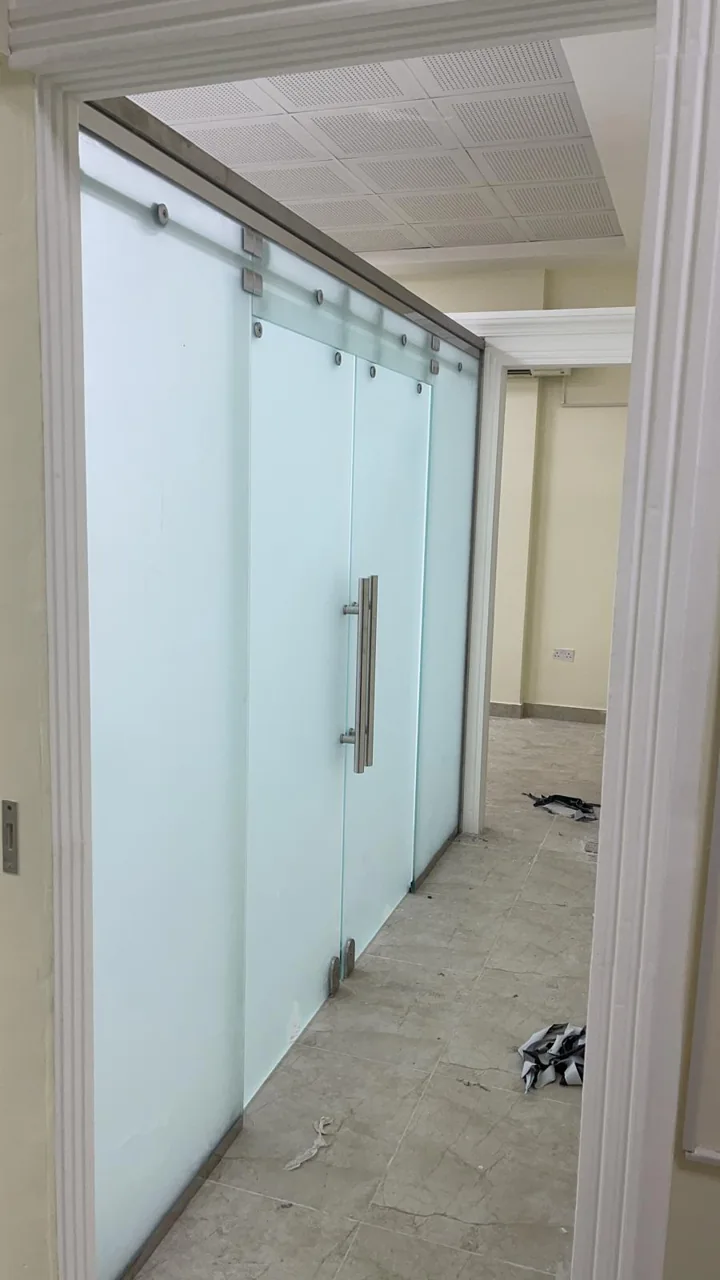
After fitting-out work, identify the residue rather than describing every mark as dust. Loose construction debris, fine dust, paint spots and adhesive residue need different decisions. Check that installation or painting work is finished enough for cleaning to be useful. Remove loose material by a method suitable for the surface before damp work, and protect areas already handed over. A hard scraper or an untested solvent can damage glass, flooring or a new coating even if it removes the visible mark.
Photograph the affected surface and share the finish supplier’s restrictions. Marks under protective film or at newly installed joints deserve particular care; do not force the film off or flood an edge to speed up the task. Record existing chips, scratches and incomplete work before cleaning. At a tenant handover, keep the cleaning checklist separate from repairs and contractual acceptance. Cleaning can reveal a damaged finish more clearly, but it does not establish that fittings function or that a lease handover requirement has been met.
Check the work against the agreed list
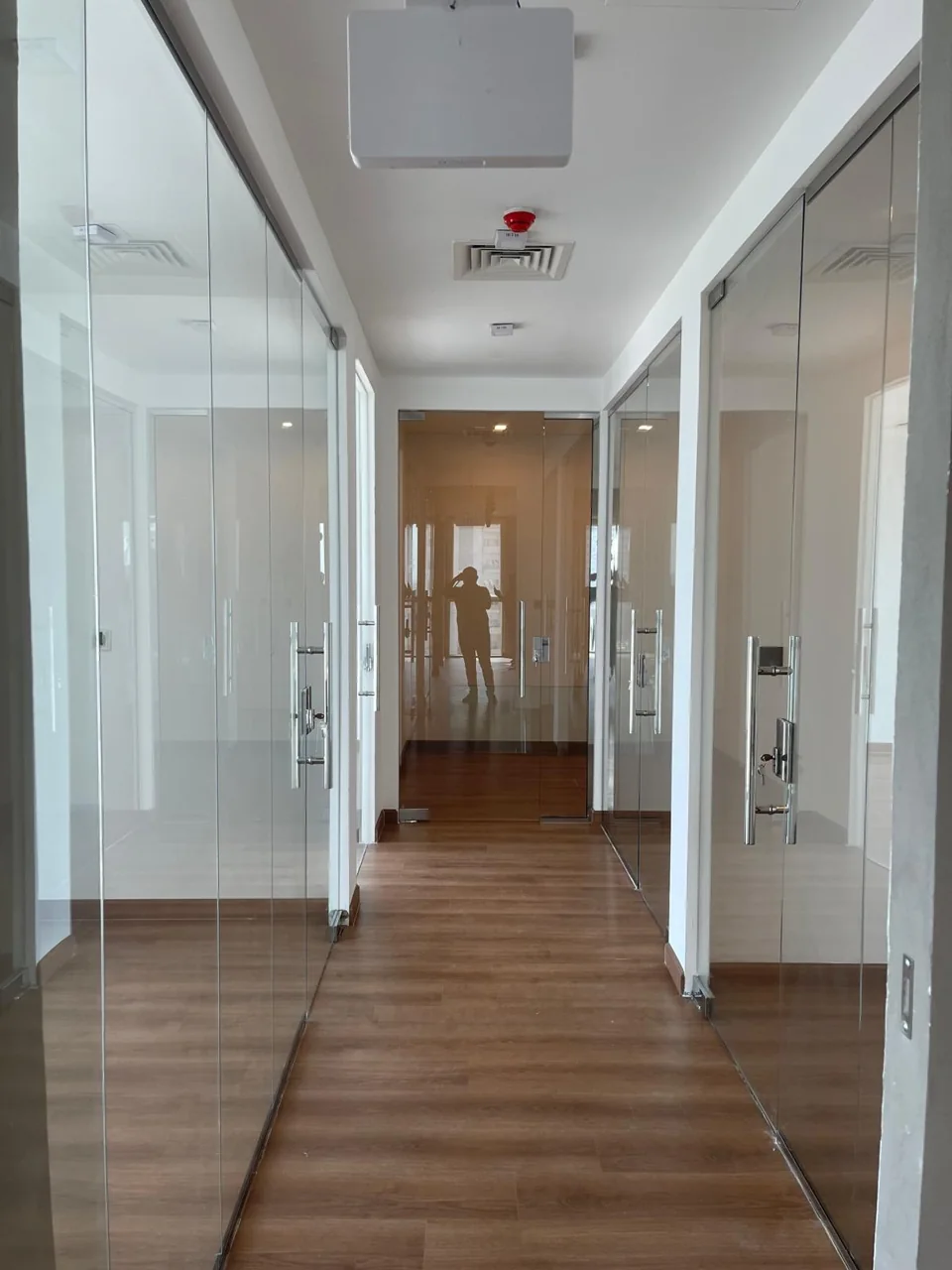
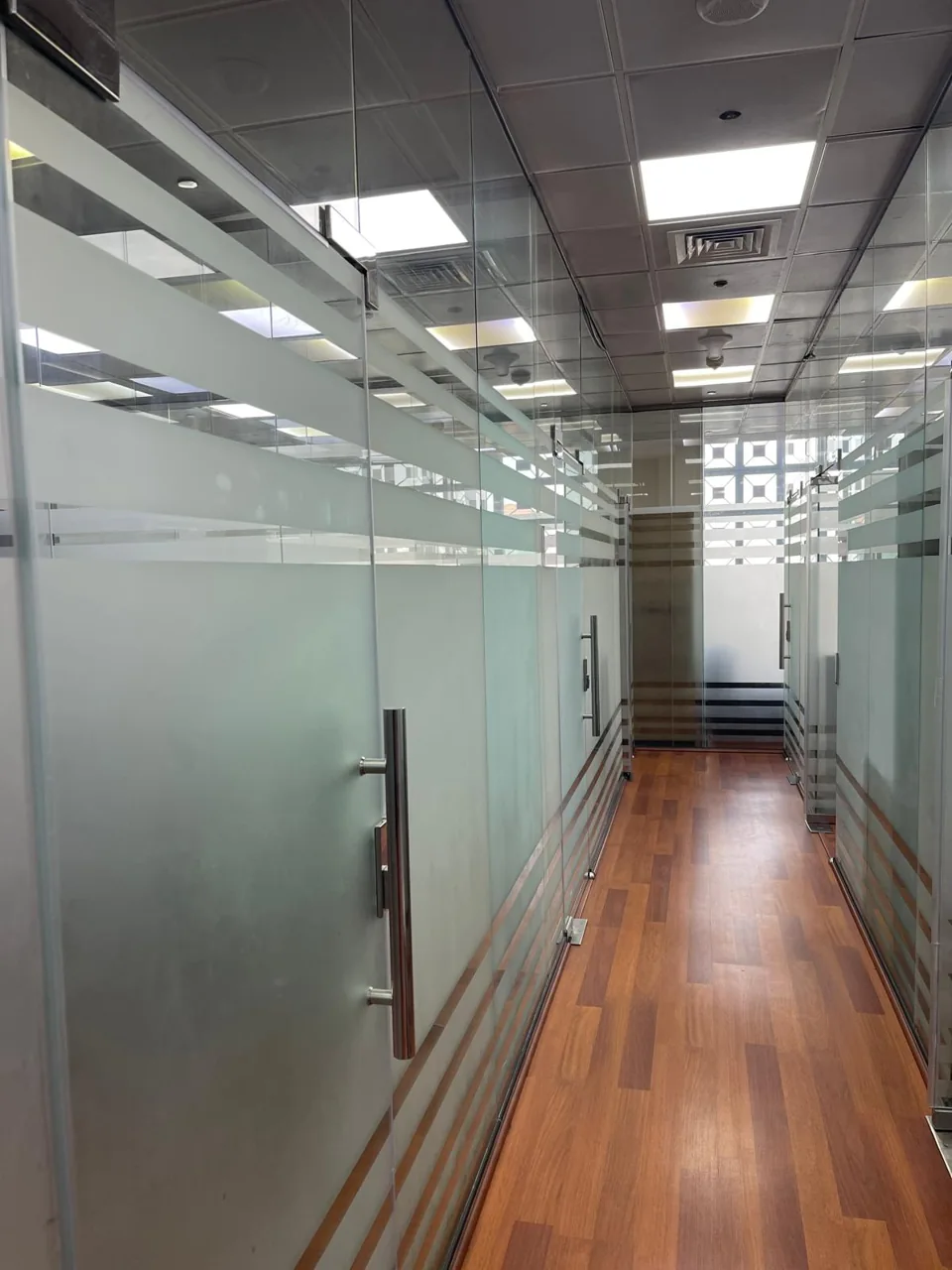
Walk through the rooms against the same list used for the request. Check accessible high surfaces for remaining dust, desk edges for wipe marks, pantry corners for crumbs and bathroom fixtures for residue. View glass partitions from more than one angle so ordinary reflections do not conceal streaks. Inspect the floor after it is ready to walk on, noting any area that remained inaccessible. A fragrance or a glossy finish is not a substitute for checking whether the agreed dirt has been removed.
Describe any observation precisely: dust behind a cleared monitor stand, an uncleared shelf, a permanent floor scratch and a damp carpet are different issues. Ask which work was completed and what needs another decision. Keep a short handover note for tasks requiring staff preparation, maintenance or a separate specialist quotation. Do not move furniture back onto a surface that still needs drying or reopen a restricted route while cleaning equipment remains in the way.
Prepare a useful office cleaning enquiry
Send the office location, approximate area, room and bathroom counts, principal floor materials, current condition and preferred timing. Explain whether staff will be present and identify any specialist tasks. Ask for the included work, materials, equipment, total price and availability. A repeat-visit request should state the intended frequency and any occasional tasks; one visit does not establish an ongoing schedule.
For English enquiries, contact Dar Al Mahara on 70022290 or use Dar Al Mahara on WhatsApp. Keep confidential papers out of photographs. Share material changes before the appointment, such as a meeting room becoming storage or fitting-out work continuing after the date originally described.
Compare quotations on the same workplace information
Compare quotations using the same room list and condition photographs. Check the actual tasks and specialist exclusions rather than comparing only the number of cleaners or the headline price. A routine visit and a post-fit-out clean are different scopes. Confirm whether the quote covers a single visit or recurring work, and whether supplies and equipment are included.
If the condition changes, ask for the effect on scope and price before approving an extra. A cupboard described as empty may still hold food or devices; a floor that was open may be blocked by new desks. Record the agreed change through the workplace contact so the final check reflects what was actually authorized.
Keep repeat visits relevant to the current office
A recurring plan should follow how dirt builds up in the current office. Busy entrance routes and shared pantry surfaces may need attention more often than a lightly used meeting room. Review the plan when staffing, room use or furniture layout changes. Keep occasional high-surface dusting and specialist carpet or upholstery work visible on the schedule without implying that every visit includes them.
Use a brief visit record to note completed areas and recurring observations. Repeated moisture below a sink suggests a maintenance issue; grit appearing immediately at an entrance suggests reviewing the mat and traffic route. These observations help the workplace address the source of a problem instead of paying repeatedly to wipe its effects. Confirm any revised frequency or added task with the company before treating it as part of the regular arrangement.
5 steps for an orderly office cleaning visit
- Prepare: confirm the room list, clear permitted surfaces and identify materials, existing damage and restricted equipment.
- Remove loose dirt: work through accessible surfaces and corners before applying moisture, avoiding dust transfer onto finished areas.
- Clean by surface: follow the relevant care method and keep bathroom tools separate from desk and pantry tools.
- Finish floors: use a sequence that leaves a safe route through the workplace and allows any treated material to become ready for use.
- Review: check the agreed areas, record inaccessible portions and follow the actual drying or maintenance instructions.
Match the routine to office use
| Task | What determines the timing | What to check |
|---|---|---|
| Entrance and main walkways | Foot traffic and visible grit | Mat condition, floor edges and safe access |
| Desks and meeting rooms | Occupancy and available clear surfaces | Dust around accessible stands and wipe residue |
| Pantry and bathrooms | Actual use and the agreed visit frequency | Sink surrounds, touchpoints, supplies and leaks |
| High accessible surfaces | Dust accumulation and suitable access | Whether furniture below must be protected |
| Carpet or upholstery washing | Material, condition and a separate assessed request | Method, scope and readiness before reuse |
The table is a planning guide rather than a promise that every task is included in every booking. Agree on a routine that suits the workplace, then use the same list to review whether it remains useful. A quiet office and a high-traffic reception do not need an identical schedule simply because their floor areas match.
Care guidance for office surfaces
For model-specific screen care, consult Dell’s monitor cleaning guidance where applicable and the instructions for your own equipment. For stone floors and counters, the Natural Stone Institute’s care guidance explains material-sensitive cleaning. These references support care decisions; the actual service scope is confirmed with Dar Al Mahara.