
A useful office cleaning checklist separates routine cleaning from repairs and specialist work. Before the working week begins, walk through the office and note the areas that will be available to clean. Agree who will open the premises, whether staff will be present and which rooms contain confidential documents or restricted equipment.
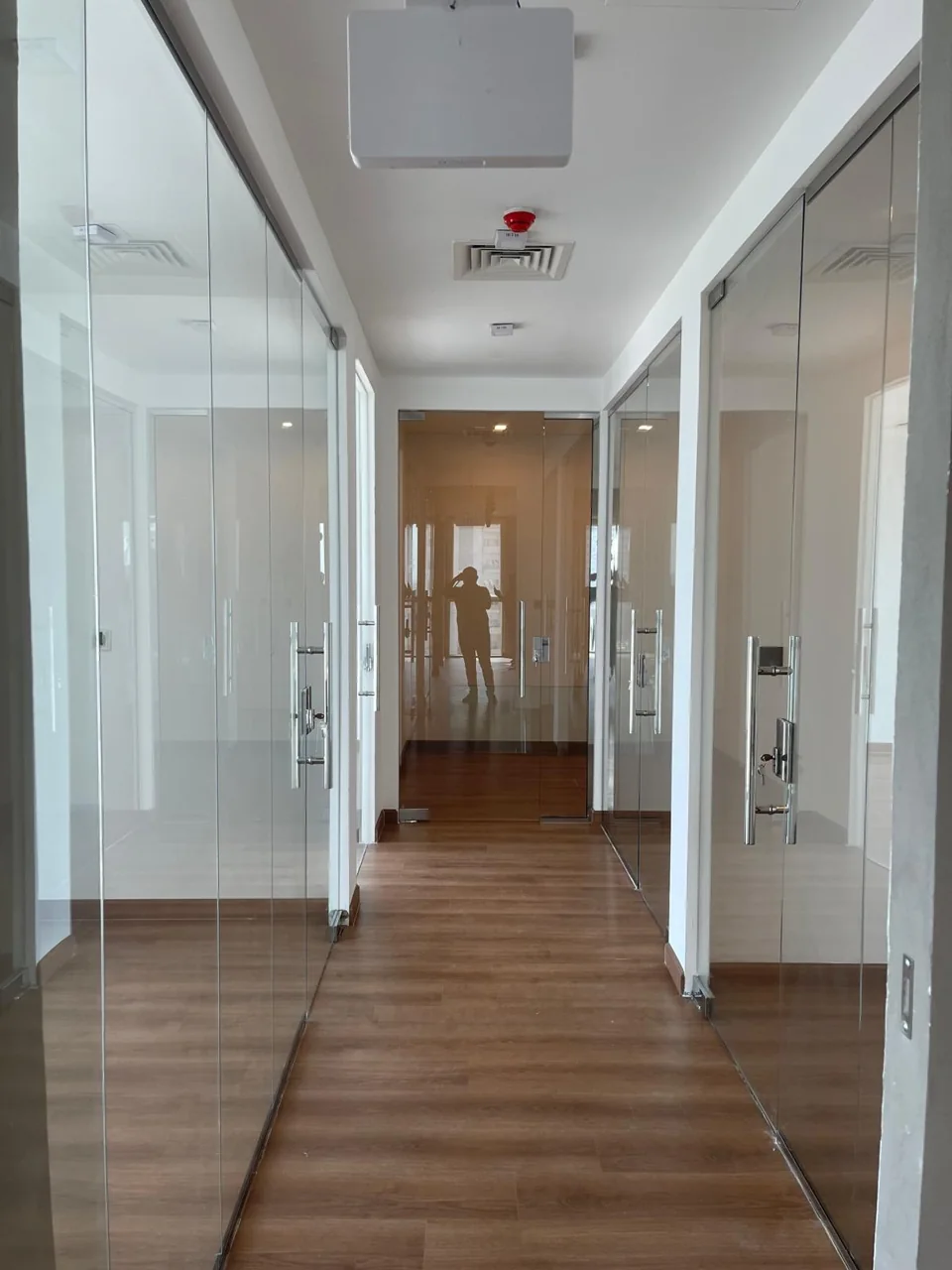
Reception and meeting rooms
- Ask staff to remove personal papers and belongings from surfaces that need cleaning.
- Clean accessible surfaces using a method suitable for the material.
- Arrange chairs and check accessible floor areas around the furniture.
- List reachable glass separately from high glazing that needs specialist access.
Desks and electronic equipment
Do not move confidential files simply to clear a desk. Ask each employee to store documents and small items before the visit. Screens and electronic devices should be handled according to the manufacturer’s instructions and the workplace’s IT guidance. Do not spray liquid directly onto equipment or assume that internal equipment cleaning is included.
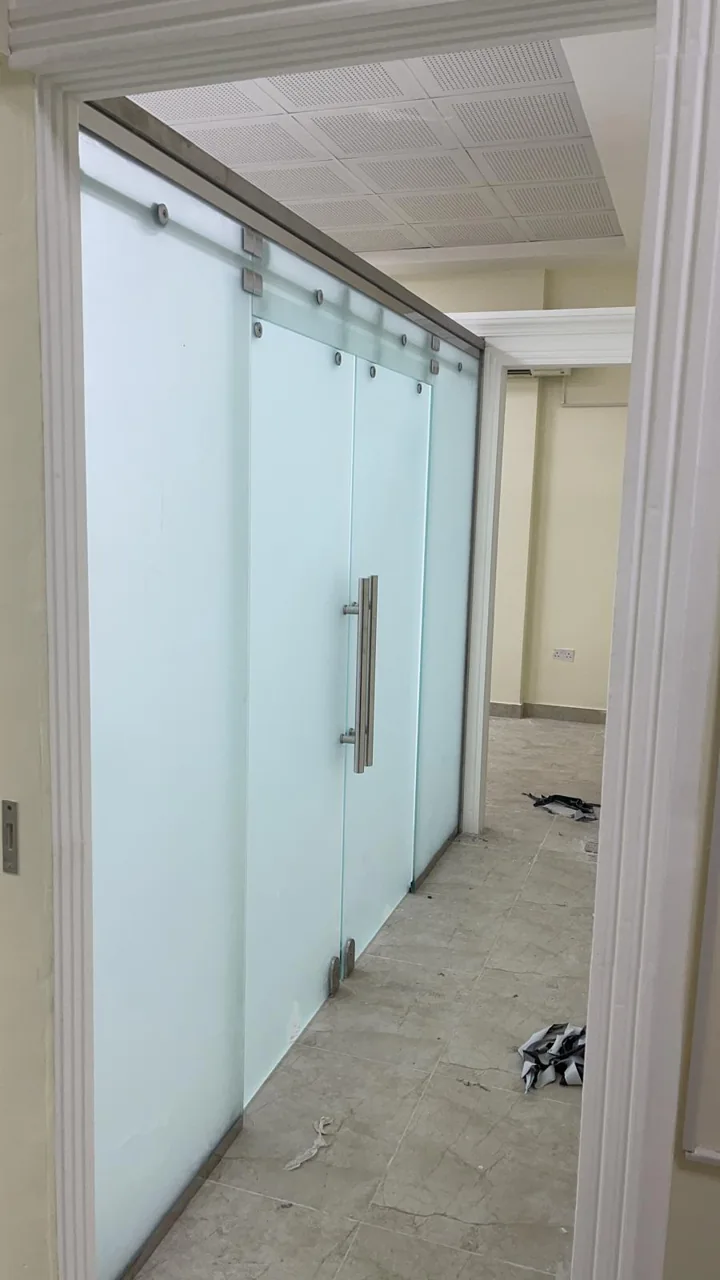
Kitchens and bathrooms
Agree which shelves, worktops and cupboards are included. Empty cupboards may require a separate task, while food and personal belongings should not be discarded without permission. In bathrooms, check the surfaces, floors and waste bins, and report missing supplies or leaks to the person responsible.
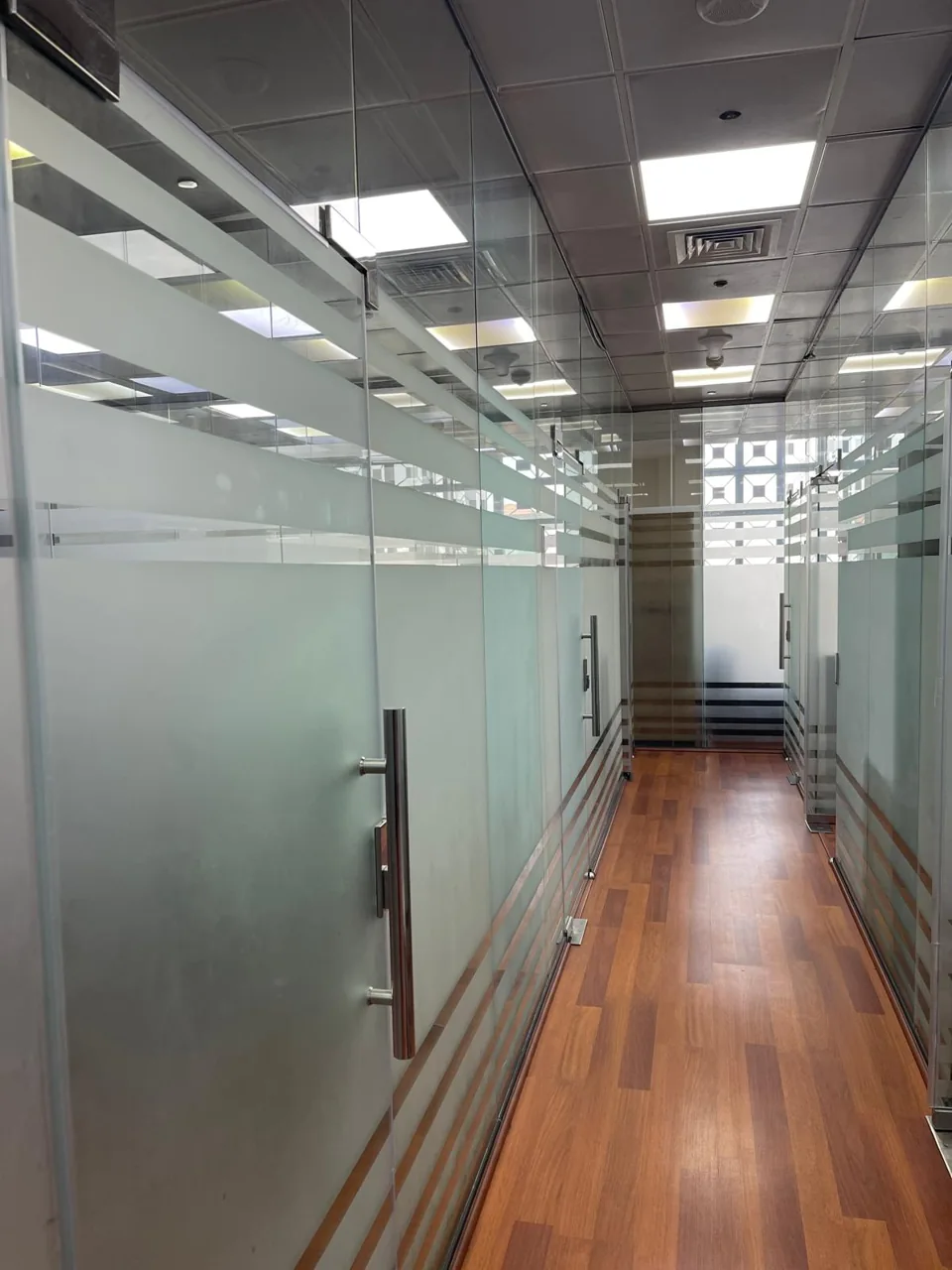
Floors and occasional specialist tasks
Wood, tile and fitted carpet need different care. Record the surface type and any available instructions. Washing office chairs, sofas or carpets may require equipment and drying time, so arrange these tasks around staff movement rather than adding them to a short routine visit without discussion.
Office cleaning handover before the team leaves
- Check the areas included in the agreed scope.
- Remove cleaning equipment from walkways.
- Review wet surfaces before allowing normal access.
- Record unfinished tasks and who will follow them up.
- Separate regular cleaning needs from repairs and specialist requests.
Use the office cleaning service page to turn the checklist into a clear request. Send the office area, photographs and suitable time through Dar Al Mahara on WhatsApp. For carpets, review the relevant cleaning and drying arrangements before staff return.
Use the weekly walk-through to decide what needs attention now
Use the short checklist above for the essentials, then build a working plan from the room-by-room guidance below. A weekly visit should add attention where routine care leaves dust, marks or accumulated residue; it should not mean leaving spills, food waste or a wet entrance untouched until the end of the week. Keep immediate-response tasks separate from the deeper rotation, and make the result observable rather than describing every room simply as cleaned.
| When | Useful tasks | What to check |
|---|---|---|
| During normal use | Respond to spills, manage ordinary waste and keep visitor routes available. | No new spill or obstruction waits for the weekly visit. |
| Routine daily care | Attend to used shared surfaces, pantry, bathrooms and busy floors as needed. | The condition matches the use of the space that day. |
| Weekly rotation | Inspect accessible edges, cupboard exteriors, low-use corners and agreed interior glass. | Less visible areas receive attention without repeating completed tasks unnecessarily. |
| After a particular event | Review catering residue, a busy meeting room or dust left by maintenance. | The additional work reflects what actually happened. |
This is an example planning framework, not a promised attendance schedule or a rule that every office needs the same frequency. A small office with few visitors differs from a busy reception with shared meeting rooms. Use actual traffic and visible conditions to adjust the work. If the same area is repeatedly missed, first check whether the problem is an unclear task, insufficient access, an unsuitable method or a maintenance issue that cleaning cannot resolve.
First pass: availability and access
Make a simple route from the furthest available room toward the exit, with wet floor work near the end of each zone. Check which meeting room is occupied and which route staff need to keep using. This avoids carrying dirty equipment across a finished floor or cleaning a table immediately before a catering setup. The office contact should open the agreed rooms, identify restrictions once and pass on any change before the work begins.
Prepare the tools by purpose: soft clean cloths, suitable dust-removal equipment, a floor tool appropriate to the material and a separate set for bathrooms. Keep used cloths apart from clean ones. Follow the cleaning product label for permitted surfaces, dilution and removal of residue; do not assume that more concentrate gives a better result. Never mix products. A fresh cloth or clean solution may solve streaking more effectively than adding another chemical to a dirty tool.
Second pass: reception and visitor routes
Start by removing loose dust and grit from accessible entrance areas using equipment suitable for the floor. Check the edge of an entrance mat and the surrounding corners, where dirt can remain after the central route looks tidy. Use the mat maker’s care instructions for its actual material. Do not shake collected dust back into the reception area or treat a fitted mat as a removable rug without checking how it is secured.
On an available reception counter, work across the surface in manageable sections using a clean cloth and the appropriate method. Include accessible edges and handles, then inspect for dust lines or cleaning residue under ordinary light. Secure display items and documents beforehand. For a waiting-area seat, routine dust removal and specialist fabric washing are different tasks; identify the actual care needed rather than treating a visible mark as a reason to soak every chair.
Third pass: meeting rooms and shared tables
Reset the meeting room after people and catering items have left. Remove ordinary waste through the workplace collection process, then work from accessible higher surfaces toward lower ones and finish the floor last. On tables, check the perimeter, reachable underside edges and chair contact areas that are included. Use only a method suitable for the finish; a glossy surface can show streaks even when the main spill has been removed.
Check the result from more than one viewing angle, especially on glass or dark tabletops. If a film remains, review the cloth and product instructions before repeating the same treatment. Replace an unsuitable or dirty cloth, and remove residue as directed rather than masking the surface with polish. Catering packaging, reusable trays and belongings need an identified collection point so that the room can be prepared without guessing what belongs in a bin.
Fourth pass: desks and personal work areas
An employee-prepared desk is easier to clean well: papers and small belongings are stored by their owner, and the available surface is visible. Remove loose dust with the appropriate tool before damp wiping a finish that permits it. Give attention to accessible edges and handles as well as the centre of the desk. Avoid flooding cable openings, joints or the edges of coated boards, and dry the surface where its care instructions require it.
Inspect a mark before deciding it needs a stronger product. Dust, an oily fingerprint, cleaning residue and a damaged coating can look similar at a glance but require different decisions. Note any cleaner already used and compare the area under consistent lighting. If the finish is swollen, peeling or worn, record the condition for the workplace contact; repeated scrubbing cannot be assumed to restore the original surface and may make the damage more noticeable.
Fifth pass: electronic equipment boundaries
Keep the device care instructions separate from the desk method. A screen, keyboard, printer housing and coated touch panel may have different requirements, even on the same workstation. Follow the workplace’s IT arrangements for switching off, disconnecting or preparing equipment. Cleaning the nearby table does not authorize opening a device, removing components or unplugging an unfamiliar cable. Prepare the accessible space around equipment rather than moving it simply to reach a hidden corner.
For a concrete manufacturer example, Apple’s cleaning guidance distinguishes products and finishes and advises against spraying liquid directly onto the product. Read the instructions for the actual device before choosing a cloth or cleaner; this example does not make one method suitable for every office screen. If the device cannot be prepared according to its instructions, leave that item for the responsible IT contact and complete the surrounding available work.
Sixth pass: pantry and food areas
Prepare the pantry by removing food, cups and personal containers through the workplace’s own arrangements. Clear the worktop, then remove crumbs and loose debris before wiping. Work on cupboard exteriors, handles, the sink and accessible surrounding surfaces with methods suited to each material. Keep cloths used here separate from toilet-cleaning tools. Inspect corners and the edges near the sink after wiping, because a clean central worktop can still leave residue where water and crumbs collect.
For an agreed cupboard interior, empty the selected shelves first, remove loose debris and follow the finish’s care instructions. Avoid leaving water along board edges or metal fittings. Inspect for stickiness or product residue before closing the cupboard. A swollen panel or leaking pipe below the sink is a maintenance observation, not a stain to cover with fragrance. Give it a separate entry so the underlying problem is not repeatedly treated as incomplete cleaning.
If an appliance interior is part of the request, list it by name and follow its own preparation and cleaning instructions. Wiping a refrigerator door is different from emptying shelves or handling food; wiping a coffee-machine exterior does not mean dismantling its internal parts. Have the office arrange contents and any necessary technical preparation. At the end, check the included surfaces and restore access only after the relevant product-removal and drying instructions have been followed.
Seventh pass: bathrooms and consumables
Use a bathroom-specific set of tools and keep toilet tools separate from those for mirrors, taps and washbasins. Remove ordinary waste and personal obstacles, then clean using the permitted method for each surface. Work from less soiled areas toward more soiled ones, changing a cloth when necessary rather than spreading contamination through the room. Check the reachable base of fittings, corners and the floor around the door as well as the obvious central surfaces.
Cleaning and disinfecting are different operations. The CDC’s facility guidance explains the role of cleaning and following the disinfectant label when disinfection is needed. Use a compatible product and its stated contact time and precautions. A strong smell, an extra dose or immediate wiping does not establish that the intended disinfection step has been completed. Do not mix products or apply a bathroom treatment indiscriminately to stone or metal.
Check soap, paper and bin-liner availability through the office’s supply arrangement. Report a missing item to the person responsible instead of marking the whole bathroom unfinished without an explanation. Likewise, record a leak, damaged seal or faulty dispenser separately from the cleaning result. This makes the weekly list useful: one person can replenish a consumable, another can arrange maintenance, and the cleaning task can be checked on its own merits.
Eighth pass: floors and routes through the office
Identify the floor material for each zone before choosing a method. Remove loose dirt first using equipment suitable for that material, then follow the required moisture and product limits. Do not apply a tiled-floor routine to laminate, timber, carpet or natural stone merely because the areas connect. A floor that feels sticky after drying may have a residue problem; review the product, water and tool rather than automatically adding more cleaner at the next visit.
Natural stone needs its own care. The Natural Stone Institute’s consumer guidance cautions against acidic products on materials such as marble. Identify the surface before treating a dull patch as dirt. Cleaning removes soil; polishing or restoration addresses different conditions. Keep any proposed specialist work as a separate assessment so that routine mopping is not judged against a restoration result that was never requested.
Divide floor work into manageable sections and keep a practical route available when staff remain on site. Follow the instructions for wet areas before reopening them, and remove equipment from the route when the task finishes. Do not cover a damp carpet or put furniture back simply because a planned meeting is about to start. The material, method and conditions determine the relevant aftercare; an appointment deadline cannot guarantee a universal drying time.
Ninth pass: storage and ordinary waste
For storage, start with shelves and floor areas that have been made available by the workplace. Remove dust using the appropriate method, then inspect the edges rather than just the front of the shelf. Keep labels and stock positions intact. Do not open closed records or move confidential files to create space. If boxes block an area, record the limitation and ask the workplace to prepare it before the next planned clean.
Separate ordinary waste from confidential documents, batteries, electronic waste, chemicals and unfamiliar materials. Each needs the workplace’s relevant handling process, so a box beside a bin must not be treated as a disposal instruction. Review accessible bin surfaces and liners according to the agreed tasks, and place tools and waste where the office has designated. If an unexpected item is found, ask the workplace contact instead of making an ownership or disposal decision from appearance.
A practical weekly review table
| Zone | Practical weekly check | A useful completion note |
|---|---|---|
| Reception | Entrance edges, accessible counter and reachable visitor surfaces. | Name a specific area completed or still unavailable. |
| Meeting room | Table perimeter, agreed chair areas and floor after use. | Record a remaining mark by location and surface. |
| Workstations | Prepared desktops, accessible edges and permitted nearby surfaces. | List an occupied or restricted desk separately. |
| Pantry | Worktops, handles, sink and agreed empty shelves. | Note residue removed, or a leak referred to maintenance. |
| Bathrooms | Specified fittings, mirrors, floor and accessible corners. | Separate cleaning, supply and repair observations. |
| Floors | Correct method for each material and careful edge inspection. | State any aftercare before reopening a treated area. |
| Storage and waste | Available shelving and the ordinary collection arrangement. | Identify blocked sections or items needing a workplace decision. |
Use one line for the observation and another for the action when a task is not complete. For example, pantry shelf inaccessible because stock remained needs preparation by the workplace, while residue on the available shelf needs a review of the cleaning result. These are different next steps. A clear entry helps the person taking over the office arrangements understand the issue without reading a long history of messages or assuming that every open item is a service failure.
| Example rotation | Area receiving extra attention | Keep routine care responsive |
|---|---|---|
| First suitable working day | Entrance edges and reception details. | Spills and ordinary waste still need attention when they occur. |
| Next available slot | Meeting room corners and accessible chair areas. | Use the actual room calendar rather than cleaning around an occupied meeting. |
| Mid-cycle review | Agreed empty pantry shelves and cupboard exteriors. | Staff arrange food and contents beforehand. |
| Later available slot | Reachable interior glass and low-use storage surfaces. | Use the method and access suitable for that surface. |
| End-of-cycle check | Review repeated marks, blocked tasks and specialist requests. | Adjust the next plan using the recorded condition. |
This rotation is illustrative, not a Dar Al Mahara booking calendar or a requirement to reserve five visits. Group tasks within the time and service actually arranged. Some offices can cover the weekly detail in one prepared visit; others need a different routine because of their use and size. The table helps distribute attention, while the room condition decides what deserves priority on the day.
Keep occasional work outside the routine tick boxes
Keep carpet washing, upholstery treatment, high glazing, marble polishing and residue after building work outside the routine tick boxes. Describe the material, dimensions, condition and access for the item you want assessed. Then decide whether the additional work is needed and how it fits the office’s use. Furniture moving is not offered by Dar Al Mahara, so preparation that requires it must be arranged separately rather than being left as an assumption in the weekly list.
For a fabric task, ask about the suitable method and aftercare before scheduling staff or visitors to use the area. For post-maintenance dust, establish whether the contractor has finished and what surfaces remain affected. Avoid booking every specialist service just because it appears on a checklist; the useful choice is the work the actual condition calls for. Confirm any additional scope and total before it becomes part of the appointment.
Close the checklist with a short handover
Review the included rooms with the responsible person under suitable lighting. Check a surface from another angle if streaks were difficult to see, and look at accessible edges and corners as well as the middle of each room. Ask which areas were unavailable and what aftercare applies. Do not use perfume, gloss or a generic all done message as the only measure of quality; link each observation to the task and material that were discussed.
- Name the room and exact location of an observation.
- Distinguish remaining dirt, cleaning residue, restricted access and damage.
- Record the next action and the person responsible for it.
- Confirm any drying or use instruction before normal access resumes.
- Remove equipment and keep walkways available when the work is finished.
Use this week’s observations to prepare the next request
Look for a repeated pattern before expanding the next list. Frequent pantry residue may need a different method or more attention; a locked room needs access; a recurring wet patch needs maintenance. Repeating the same line for several weeks without addressing its cause does not improve the plan. Keep a short record of what changed and review priorities when staff numbers, visitor use or the office layout changes.
To discuss the work in English, contact Dar Al Mahara on 70022290 or use Dar Al Mahara on WhatsApp. Send the location, area, room and bathroom counts, suitable access times and current photographs that protect confidential information. Include the weekly priorities and any specialist request. Confirm the tasks, materials, equipment, total price and availability before booking, so that the checklist can guide both the work and a useful handover.
Customer reviews
Read our customer reviews on GoogleRead customer experiences, ratings and review dates directly on Google before booking.