Contents
- Pest Control: What to include in your request
- Preparing for the visit
- After the service
- Booking and related information
- Describe the problem before choosing a treatment
- How should the household prepare?
- What should be checked after the visit?
- Build a useful record of the problem
- Questions that distinguish different pest enquiries
- Crawling insects in a kitchen
- Small insects around stored food
- Possible bed bug activity
- Flying insects near doors or windows
- Suspected rodents or termites
- Agree on a quotation that describes the work
- Prepare an occupied home without creating extra work
- What to clarify when the visit begins
- Read the aftercare instructions as part of the service
- Preventive work that fits everyday routines
- A practical handover record
- When the household schedule changes
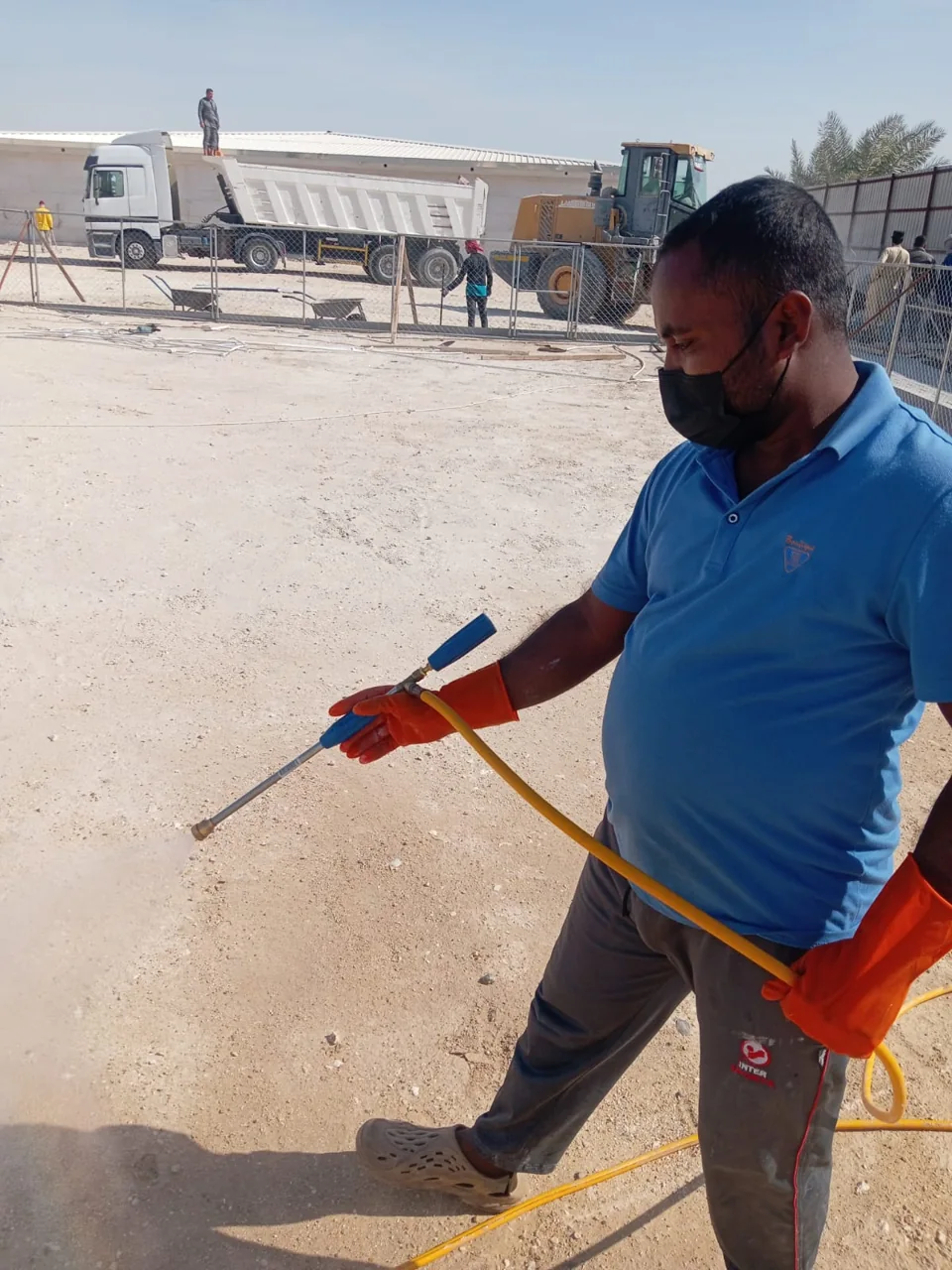
Pest control begins with identifying the pest and understanding where activity is occurring. Dar Al Mahara handles pest-control enquiries for properties in Qatar. Explain what you have seen, the rooms affected and how long the problem has been present. A photograph can help the team understand the request before arranging an assessment.
Pest Control: What to include in your request
Cockroaches, bed bugs, rodents and termites do not all require the same approach. Describe repeated sightings, possible entry points and any previous treatment. Mention children, pets, food preparation areas and people who may need additional precautions. The treatment plan and instructions should be specific to the situation.
Preparing for the visit
Follow the preparation instructions given for the agreed treatment. Do not mix pesticides or apply additional chemicals without advice. Food, utensils and personal items may need protection or relocation depending on the work. Access, ventilation and the time before re-entry should be clarified before the visit.
After the service
After treatment, follow the written instructions and report any continuing activity as directed. Warranty and follow-up conditions are those agreed for the particular service; they should not be assumed from another treatment. This is a pest-control service, not a retail pesticide shop.
Booking and related information
For a pest-control enquiry, describe what you have seen, where activity occurs and whether the property has been treated before. Share clear photographs where possible, then confirm the assessment, preparation instructions and follow-up scope. Review published prices and contact Dar Al Mahara on WhatsApp to confirm availability and the agreed scope.
You can also browse the services directory and the cleaning guides for related advice. Specialist tasks should be specified separately from general cleaning.
Describe the problem before choosing a treatment
Describe the insect or animal you actually saw, keeping its identity separate from a guess. Note the approximate size and colour, whether it crawls or flies, and the room and surface involved. A photograph helps the discussion but cannot show every concealed area or establish the extent of activity. If different-looking pests occur in different rooms, record them separately rather than requesting a single treatment for everything.
How should the household prepare?
Prepare from the instructions for the actual proposed treatment. Keep food, utensils, toys and pet items in their normal locations until you know which areas need clearing or protection. Choose a secure place for private papers and valuables, and leave a clear route to inspection points. Confirm the arrangements for children, pets and anyone who needs particular precautions before work begins.
What should be checked after the visit?
At handover, the household should know what was inspected, which areas were addressed, what remains inaccessible and which repairs need another service. Keep the product or treatment information and instructions for cleaning and access together. Use the agreed monitoring period and reporting route. New signs, persistent activity or spread to another room deserve a factual update, rather than a conclusion based on the sighting of one insect alone.
Build a useful record of the problem
A pest enquiry becomes easier to assess when the household can explain a pattern rather than a single surprising sighting. Start with the place, the approximate time and the evidence. For example, “small insects beside the kitchen sink after dark on three evenings” is more useful than “the flat needs spraying”. It gives the assessor a starting point without assuming the species, the source or the appropriate product. Keep the record brief enough that everyone in the household can contribute consistently.

Photographs should show the pest clearly when this can be done without approaching a nest, disturbing suspected damage or handling an unknown insect. Include a second picture of the surrounding area. A close image can help identification, while the wider image can show a gap beside a pipe, a food cupboard or a damp corner. Do not expose yourself to a bite or sting to obtain a better photograph. Record observations separately from guesses about their cause.
For a rented apartment or a property within a managed building, note whether sightings occur near shared corridors, service cupboards or common waste areas. A treatment inside one unit may have a different scope from work involving shared spaces. Ask the building manager about access and responsibility before arranging work outside your own premises. This coordination is particularly useful when neighbours describe similar activity, because separate household observations may point towards a shared condition requiring attention.

Questions that distinguish different pest enquiries
Crawling insects in a kitchen
Check the kitchen as four small areas: food storage, preparation surfaces, waste and moisture. Look at accessible cupboard corners and the space beside the bin, then note whether sightings follow a trail or appear at separate points. This gives the inspection a location without guessing where a colony is hidden. A clean worktop does not rule out crumbs beneath a removable tray or water in a leaking cupboard. Reach only into areas you can inspect safely; leave fixed panels and appliance connections alone.
Keep a clear distinction between ordinary household crumbs and possible animal waste. Suspected rodent droppings should not be swept or vacuumed like dust. The CDC advises precautions because disturbing contaminated waste can put material into the air. Restrict access to the affected spot and obtain instructions for the actual condition rather than adding it to an ordinary cleaning task. Rodent control and contamination cleanup need their scope confirmed separately.
Small insects around stored food
Look through dry-food packages, including rarely used flour, spices, cereal and pet food. Webbing inside a packet or small holes in packaging can be useful observations for an assessor. Keep the package details and shelf location in your record. Food showing infestation should be removed from use and discarded appropriately, rather than mixed with a fresh supply. Clean suitable empty storage containers before refilling them, and use tight-fitting lids. UC IPM’s pantry guidance explains why finding affected food matters more than spraying the cupboard.
Possible bed bug activity
A bite or skin mark alone is a poor way to identify bed bugs. The EPA recommends looking for physical evidence, such as live insects, shed skins and dark or rusty marks around mattress seams and nearby furniture. Inspect only what is accessible without dismantling furniture or exposing yourself to injury. Photograph the evidence and its location. Avoid moving bedding between rooms or discarding a mattress through common corridors before receiving handling instructions; the assessment should determine which items and rooms need attention.
Flying insects near doors or windows
Start with where flying insects concentrate: a window, a bin, stored food, a damp corner or an open entrance. Those locations suggest different questions and should be recorded separately. A small moth near food is not automatically the same problem as insects entering when a door opens. Check accessible screens for tears, doors for poor closure and bins for food residue. A recurring wet area needs maintenance attention. Leave occupied nests, roof voids and electrical spaces to an appropriate specialist.
Suspected rodents or termites
Rodents are not insects, and suspected rodent activity needs a separate availability and scope check. Describe sightings, gnawing, sounds or waste without opening a service void or handling a nest. Termite enquiries also need an independent inspection, plan and quotation. Photograph visible timber damage or mud-like tracks without scraping them away. Flying ants can be confused with termites; a picture or damaged board alone does not establish the full problem or the condition of the structure. Building defects require the relevant property professional.
A gecko is a reptile, not an insect. If geckos are the concern, name them explicitly when asking about available assistance instead of assuming a general insect treatment includes them. Keep the observation focused on the entry location and room. Do not scatter insecticide, glue or improvised poison to catch an animal, and do not interpret an insect-service price as a price for rodent or gecko work.
Agree on a quotation that describes the work
The size of the property is useful, but a room count alone does not define a treatment. An enquiry should identify the pest, affected rooms, accessible external areas and whether the request concerns an occupied home or an empty property. Mention activity in cupboards, stores, balconies or attached service spaces rather than assuming those spaces are included. If the assessment changes the proposed scope, ask for the revised work and price to be explained before it proceeds.
Check whether the quotation is for an assessment, a defined treatment visit or a programme with follow-up. Ask which areas will be inspected and treated, what preparation is required and what is outside the agreement. A written scope can also identify responsibilities for clearing accessible surfaces, arranging building access and repairing leaks. These details allow the household to prepare realistically and help avoid discovering on arrival that a locked store or inaccessible cabinet prevents the agreed work.
| Published basic pest-control item | Price | Scope to confirm |
|---|---|---|
| Apartment | QAR 250 | Pest, rooms and property condition. |
| Villa | QAR 450 | Included areas and any external or attached spaces. |
| Kitchen inside a villa | QAR 300 | The villa kitchen requested; this is not an apartment-kitchen package. |
These are basic listed service items, with the final scope and quotation confirmed for the request. Termite work has an independent assessment and quotation. Rodents and geckos also need confirmation of availability and scope. Do not add unrelated service prices together or select the villa-kitchen item merely because an apartment sighting happens to be in its kitchen.
Prepare an occupied home without creating extra work
An occupied home needs a workable sequence. Keep the inspection route clear and choose a place for temporarily protected household items, following the specific preparation list. Avoid spreading contents from a suspected room through the rest of the property merely to create space. Food-preparation areas, aquariums and pet feeding equipment need instructions relevant to the method being considered. A locked store or occupied room should be identified before the visit so the actual limits of inspection are clear.
Children and pets need arrangements suited to the exact treatment. Ask about access restrictions, food and water bowls, toys, bedding and the conditions for returning to treated spaces. Do not replace those instructions with a waiting time found on another website or used at a previous property. If anyone needs particular precautions, raise this before work is agreed. A treatment should be selected and scheduled with those circumstances in view, rather than relying on a general claim that a product is harmless.
What to clarify when the visit begins
Walk through the recorded locations with the assessor and point out changes since the original enquiry. Show photographs and previous service details if available. Identify surfaces already cleaned and products already used, because those actions may affect the interpretation of signs or the proposed treatment. If you do not remember a product name, say that instead of guessing. Keep the original container or a photograph of its label available when this can be done without handling a damaged package.

Before application, confirm which areas are included and receive the instructions for people, pets, food and ventilation. If the team identifies a condition requiring maintenance, ask for the location and the action needed rather than a vague instruction to “seal everything”. Some gaps involve services, ventilation or access requirements and should be handled by the appropriate person. The household should understand which actions support the treatment and which are separate building tasks that need their own arrangement.
Read the aftercare instructions as part of the service
Ask what can be cleaned, what should be left undisturbed and when ordinary use of each area can resume. Treatment methods differ; wiping a surface immediately or adding another product may interfere with the agreed approach. Request instructions for the actual rooms and surfaces involved. Keep these details accessible to other household members and any cleaner who visits later, so that nobody unknowingly removes something that should remain or enters a restricted area before the stated conditions are met.
Continuing activity should be reported according to the service instructions. Record the location, date and type of observation rather than describing every movement as treatment failure. The meaning of an observation depends on the pest, the method and the elapsed time. Equally, do not assume that persistent or spreading activity will resolve without review. Ask at the visit which signs need prompt contact, how to send an update and whether an inspection or return visit falls within the agreed service.
Eligible pest-control work may carry a conditional guarantee of up to six months. Confirm the covered pest, treated areas, actual duration, reporting route and follow-up conditions in the service agreement. This is not a promise that every pest disappears after one visit, or that new activity anywhere in a building is covered. A termite or other separate service needs its own terms rather than borrowing the general insect-service wording.
Preventive work that fits everyday routines
Give each preventive task an owner and a simple place in the household routine. After food preparation, remove accessible spills and check the bin area. When unpacking groceries, inspect damaged packaging before it goes into storage. During ordinary housekeeping, note moisture, damaged screens and gaps that need a repair request. This is easier to maintain than repeatedly emptying every room. Keep observations and repairs in the same record so a persistent wet cupboard is not lost among several separate messages about insects.
Repair work should target an identified opening or defect. A kitchen pipe penetration, a torn insect screen and a door that does not close are different tasks. Ask the responsible maintenance person to preserve ventilation, drainage and access to services while repairing the defect. Do not cover required vents or fill unknown electrical openings with an improvised material. A photograph labelled with the room and position makes a maintenance request easier to act on.
A practical handover record
Before the team leaves, keep a simple record containing the date, premises, agreed pest scope, areas addressed and the contact route for questions. Add the preparation or aftercare instructions supplied and any separate maintenance items. This does not need to become a technical report written by the customer. Its purpose is to make the next step understandable to everyone using the property and to preserve the details needed if activity is reported again.

| Record item | Useful detail |
|---|---|
| Problem reviewed | Pest identified or still awaiting identification; rooms inspected and inaccessible areas. |
| Work agreed | Areas addressed and any separate assessment or repair. |
| Household instructions | Conditions for access, pets, food, ventilation and cleaning, taken from the actual treatment instructions. |
| Review | What to monitor, when and how to report it, and applicable follow-up terms. |
For example, “two small insects at the sink on Monday evening; cabinet leak reported; no other room sightings” is a usable update. “The whole treatment failed” does not tell the assessor what changed. The record should still allow a concern to be raised promptly; it is not a reason to dismiss persistent or spreading activity. Keep observations factual and let the inspection and agreed review process establish the next step.
When the household schedule changes
If a planned visit conflicts with a move, renovation or delivery, explain that change before the appointment. Bringing new furniture into a room immediately before inspection can obscure the original pattern, while ongoing building work may change access and create additional gaps. Ask whether the assessment should take place before or after the particular activity. The answer depends on the problem and the intended work; a customer should not have to guess which sequence suits every treatment.
A property that will be empty also needs a clear handover arrangement. Confirm who can unlock the agreed areas, receive the instructions and check any conditions required before the next occupants arrive. Avoid assuming that absence alone removes every preparation requirement. Food, stored items, pets belonging to another occupant and access for building staff may still need consideration. Share the relevant instructions with the responsible person so that the property can be used according to the agreed advice.
For a recurring problem, compare the current observations with the earlier record. Separate an original room that remained active from a room where activity stopped and later returned. Add the dates of repairs or new deliveries, but do not treat timing alone as proof of the cause. This comparison gives a reassessment a practical starting point and keeps the next decision connected to the property’s present condition.
For general precautions, consult the EPA’s pest-control safety guidance. Identification examples are explained in its bed bug signs guide and termite guidance. For the specific observations above, see UC IPM on pantry pests and CDC precautions for rodent waste. These are general references; the provider’s instructions and actual product label govern preparation, application and return to the treated area.